Blog

Your blog category

Heart-Blockage-Symptoms.
Blog

Heart Blockage Symptoms in Middle-Aged Adults

Heart disease is no longer just a concern for seniors. In India, an increasing number of middle-aged adults (35–55 years) are experiencing heart blockages due to lifestyle changes, stress, and dietary habits. A heart blockage occurs when arteries supplying blood to the heart become narrowed or blocked, often due to cholesterol deposits. Recognizing early symptoms is crucial because timely medical intervention can prevent heart attacks and save lives. Why Middle-Aged Adults Are at Risk Urban lifestyles, long working hours, irregular eating patterns, and lack of exercise have made heart disease more common among younger populations. Add smoking, alcohol, and stress to the mix, and the risk multiplies. 👉 If chest discomfort, breathlessness, or unexplained fatigue persists, it’s important to consult an MD – General Medicine specialist. Clinics offering General Health care provide diagnostic tests like ECG, stress tests, and angiography to detect blockages early. Common Symptoms of Heart Blockage 1. Chest Pain or Tightness Often described as heaviness or pressure, especially during exertion. 2. Shortness of Breath Difficulty breathing even during mild activity. 3. Fatigue Unusual tiredness despite adequate rest. 4. Pain Radiating to Arm, Neck, or Jaw Classic symptom of angina or heart attack. 5. Sweating & Dizziness Sudden sweating or lightheadedness may indicate reduced blood flow. 6. Irregular Heartbeat Palpitations or skipped beats can signal cardiac stress. 7. Swelling in Legs or Feet Fluid retention due to poor circulation. Causes of Heart Blockage Atherosclerosis: Cholesterol deposits narrow arteries. High Blood Pressure: Damages artery walls. Diabetes: Accelerates plaque buildup. Smoking & Alcohol: Increase risk of arterial damage. Sedentary Lifestyle: Reduces circulation and heart efficiency. Genetics: Family history of heart disease. Awareness Section: When to Seek Medical Help If chest pain lasts more than a few minutes, or if it occurs repeatedly during activity, immediate medical evaluation is essential. Middle-aged adults should not ignore symptoms, especially if they have risk factors like diabetes, hypertension, or obesity. Guidance & Lifestyle Tips Nutrition Reduce intake of fried and processed foods. Include heart-healthy foods like oats, nuts, and fish. Limit salt and sugar. Physical Activity At least 30 minutes of brisk walking daily. Yoga and breathing exercises for stress relief. Avoid sudden, intense workouts without medical clearance. Stress Management Meditation and mindfulness practices. Adequate sleep to reduce cardiac strain. Medical Care Regular cholesterol and blood pressure checks. ECG and stress tests for those with risk factors. Medications for cholesterol, blood pressure, and diabetes control. Conclusion Heart blockage is no longer a disease of old age. Middle-aged adults in India are increasingly at risk due to lifestyle and stress. Recognizing early symptoms like chest pain, fatigue, and shortness of breath can save lives. With medical care, lifestyle changes, and regular monitoring, heart health can be preserved. FAQs Q1. Can heart blockages be reversed naturally?   Lifestyle changes can slow progression, but medical treatment is often needed. Q2. Is chest pain always a sign of blockage?   Not always, but persistent or exertion-related pain should be evaluated. Q3. How often should middle-aged adults undergo heart screening?   Annually if risk factors are present; otherwise, every 2–3 years.
Type-2-Diabetes-Complications.
Blog

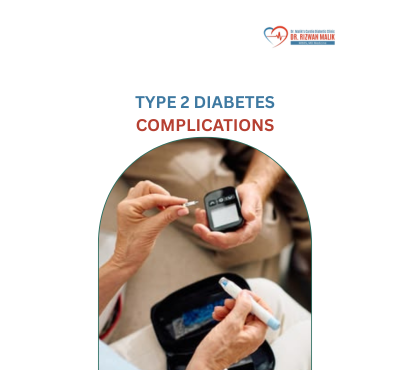
Type 2 Diabetes Complications Every Patient Should Know

Type 2 diabetes is often described as a “lifestyle disease,” but its complications go far beyond blood sugar levels. When uncontrolled, diabetes silently damages multiple organs over time. In India, where diabetes prevalence is among the highest globally, awareness of these complications is critical. This blog explains the major complications of type 2 diabetes, how they develop, and what patients can do to prevent them. Why Complications Matter Diabetes complications don’t appear overnight. They build gradually, often unnoticed, until they cause serious health problems. Early awareness and preventive care can delay or even stop progression. 👉 If you’re living with diabetes and notice unusual symptoms like numbness, vision changes, or chest discomfort, it’s important to consult a diabetologist in Pimple Saudagar. Clinics offering General Health care provide comprehensive management strategies for diabetes and its complications. Major Complications of Type 2 Diabetes 1. Cardiovascular Disease High blood sugar damages blood vessels, increasing risk of heart attack, stroke, and hypertension. 2. Neuropathy (Nerve Damage) Numbness, tingling, or burning in feet and hands are early signs. Severe cases can lead to ulcers and amputations. 3. Nephropathy (Kidney Damage) Diabetes is a leading cause of chronic kidney disease. Protein leakage in urine is an early warning sign. 4. Retinopathy (Eye Damage) High sugar levels damage retinal blood vessels, leading to vision loss or blindness. 5. Foot Complications Poor circulation and nerve damage make feet vulnerable to infections and ulcers. 6. Skin Problems Frequent infections, slow healing wounds, and dark patches (acanthosis nigricans). 7. Hearing Loss Studies show diabetes increases risk of hearing impairment. 8. Alzheimer’s Disease Risk Uncontrolled diabetes is linked to higher risk of dementia. Causes Behind Complications Persistent high blood sugar damages blood vessels and nerves. High blood pressure and cholesterol worsen cardiovascular risks. Smoking and alcohol accelerate damage. Sedentary lifestyle reduces circulation and insulin sensitivity. Awareness Section: When to Seek Medical Help If you notice symptoms like chest pain, numbness in feet, blurred vision, or swelling, consult a doctor immediately. Regular screening for kidney, eye, and heart health is essential for diabetics. Guidance & Lifestyle Tips Nutrition Balanced meals with whole grains, pulses, vegetables, and lean proteins. Limit sugary drinks and processed foods. Include omega-3-rich foods for heart health. Physical Activity At least 30 minutes of walking or yoga daily. Strength training improves insulin sensitivity. Stress Management Meditation and breathing exercises reduce blood sugar fluctuations. Adequate sleep supports hormonal balance. Medical Care Regular HbA1c monitoring. Annual eye, kidney, and foot exams. Medications for blood sugar, blood pressure, and cholesterol control. Conclusion Type 2 diabetes is not just about sugar levels — it’s about protecting your heart, kidneys, eyes, and nerves. Awareness of complications ensures timely action. With medical care, lifestyle changes, and regular monitoring, patients can live healthier, longer lives. FAQs Q1. Can diabetes complications be prevented?   Yes, with strict blood sugar control, healthy lifestyle, and regular check-ups. Q2. How often should diabetics undergo screening?   Annually for eyes, kidneys, and heart; more frequently if complications are detected. Q3. Is neuropathy reversible?   Early stages can improve with control, but advanced damage is often permanent.

Rheumatoid-Arthritis
Blog

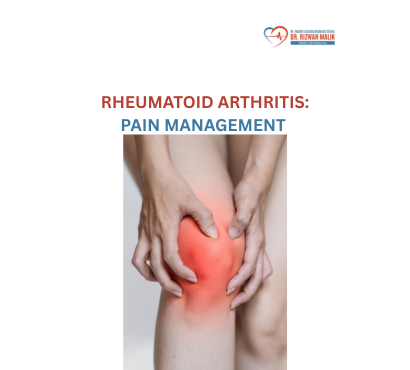
Rheumatoid Arthritis Pain: Daily Management

Living with rheumatoid arthritis (RA) is not just about joint pain — it’s about managing a chronic autoimmune condition that affects daily life. In India, RA is increasingly diagnosed among adults in their 30s and 40s, with women being more commonly affected. The condition causes inflammation in the joints, leading to stiffness, swelling, and long-term damage if untreated. While medical treatment is essential, daily management strategies play a huge role in improving quality of life. This blog explores practical ways Indians can manage RA pain, combining medical care with lifestyle adjustments. Why Daily Management Matters RA is unpredictable. Some days may be manageable, while flare-ups can make even simple tasks difficult. Daily management helps reduce pain, maintain mobility, and prevent long-term disability. If RA pain persists despite home remedies, it’s important to consult an MD – General Medicine specialist. Clinics offering General Health care provide diagnostic support and advanced treatment options for arthritis patients. Common Symptoms of RA Pain Morning stiffness lasting more than 30 minutes Swelling in small joints (fingers, wrists, toes) Symmetrical pain on both sides of the body Warmth and redness in affected joints Fatigue and weakness Reduced grip strength and difficulty with daily tasks Causes of RA Pain Autoimmune response: The immune system attacks joint lining. Genetics: Family history increases risk. Environmental triggers: Smoking, pollution, or infections. Hormonal factors: Women are more prone due to hormonal changes. Awareness Section: When to Seek Medical Help If joint pain is persistent, symmetrical, and accompanied by swelling or fatigue, medical evaluation is essential. Blood tests (RF, anti-CCP) and imaging can confirm RA. Early diagnosis prevents joint damage and disability. Guidance & Daily Management Tips Nutrition Anti-inflammatory foods: Turmeric, ginger, and omega-3-rich fish. Balanced diet: Fresh fruits, vegetables, pulses, and whole grains. Limit triggers: Processed foods, excess sugar, and red meat. Physical Activity Gentle stretching in the morning to ease stiffness. Low-impact exercises like swimming, yoga, or cycling. Physiotherapy to maintain joint mobility. Pain Relief Strategies Warm compresses for stiffness. Cold packs for swelling. Relaxation techniques to reduce stress-related flare-ups. Stress Management Meditation and breathing exercises. Adequate sleep to support immune balance. Counselling for emotional support. Medical Care Disease-modifying drugs (DMARDs) to slow progression. NSAIDs for pain relief under medical supervision. Biologic therapies for resistant cases. Regular monitoring to adjust treatment plans. Conclusion Rheumatoid arthritis pain is not just a physical challenge — it affects emotional and social well-being too. Daily management through diet, exercise, stress control, and medical care can help patients lead active, fulfilling lives. Recognizing symptoms early and seeking timely medical advice ensures better outcomes. FAQs Q1. Can RA pain be managed without medication?   Lifestyle changes help, but medical treatment is essential to control inflammation. Q2. Is RA common in India?   Yes, especially among women, making awareness and early diagnosis crucial. Q3. Can exercise worsen RA pain?   High-impact exercise can worsen symptoms, but gentle, low-impact activity is beneficial.

Hypothyroidism-Causes
Blog

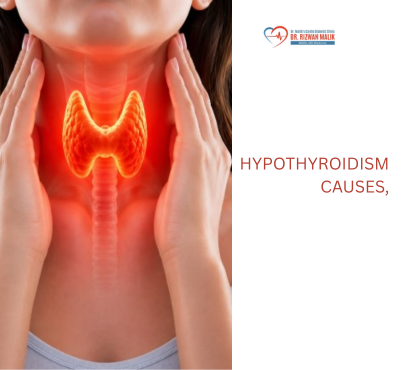
Hypothyroidism Causes, Symptoms & Treatment Options

The thyroid gland, though small, plays a big role in regulating metabolism, energy, and overall health. When it slows down, the condition is called hypothyroidism. This disorder is common in India, especially among women, and often goes unnoticed because its symptoms overlap with everyday issues like fatigue or weight gain. Hypothyroidism can affect quality of life if untreated, but with timely diagnosis and proper management, patients can lead healthy lives. This blog explains the causes, symptoms, and treatment options for hypothyroidism, helping patients and families understand the condition better. Why Hypothyroidism Matters The thyroid gland produces hormones (T3 and T4) that regulate metabolism. When hormone levels drop, the body slows down, leading to weight gain, fatigue, and other health issues. Left untreated, hypothyroidism can cause complications like infertility, heart disease, and severe metabolic imbalance. 👉 If you notice persistent fatigue, swelling, or unexplained weight gain, it’s important to consult an MD – General Medicine specialist. Clinics offering General Health care provide thyroid screening and treatment options tailored to individual needs. Causes of Hypothyroidism Autoimmune Disease (Hashimoto’s thyroiditis): The immune system attacks the thyroid gland. Iodine Deficiency: Still seen in parts of India despite iodized salt use. Medications: Certain drugs can interfere with thyroid function. Post-pregnancy thyroiditis: Temporary thyroid imbalance after childbirth. Genetic predisposition: Family history increases risk. Radiation therapy or surgery: Treatments for cancer can damage the thyroid. Symptoms of Hypothyroidism Persistent fatigue and weakness Unexplained weight gain Puffy face and swelling in hands or feet Dry skin and brittle hair Constipation Depression or irritability Irregular menstrual cycles in women Feeling unusually cold Hoarseness in voice Awareness Section: When to Seek Medical Help If you experience multiple symptoms together — especially fatigue, swelling, and weight gain — thyroid testing is essential. A simple blood test (TSH, T3, T4) can confirm hypothyroidism. Early diagnosis prevents complications and improves quality of life. Treatment Options Medication Thyroid hormone replacement therapy (Levothyroxine) is the standard treatment. Dosage is tailored to individual needs and monitored regularly. Lifestyle & Nutrition Include iodine-rich foods like dairy, eggs, and iodized salt. Eat selenium-rich foods (nuts, fish) to support thyroid function. Avoid excessive soy and processed foods. Regular Monitoring TSH levels should be checked every 6–12 months. Adjust medication based on test results. Supportive Care Gentle exercise like yoga and walking improves metabolism. Stress management through meditation and adequate sleep. Conclusion Hypothyroidism is common but manageable. Recognizing early symptoms like fatigue, swelling, and weight gain ensures timely diagnosis. With proper medication, lifestyle changes, and regular monitoring, patients can live healthy, active lives. FAQs Q1. Can hypothyroidism be cured?   It cannot be cured, but it can be managed effectively with medication and lifestyle changes. Q2. Is hypothyroidism common in India?   Yes, especially among women, making awareness and screening essential. Q3. How often should thyroid levels be checked?   Annually for those at risk, or more frequently if diagnosed.

Nerve-Damage
Blog

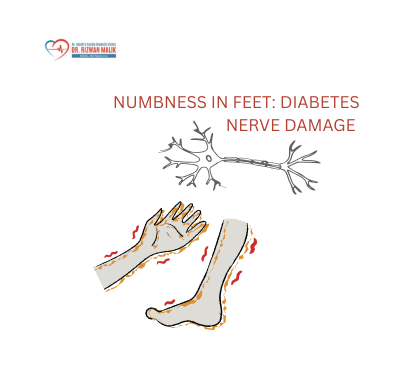
Numbness in Feet: Diabetes Nerve Damage Warning

Many people living with diabetes focus on blood sugar readings and diet, but one of the most dangerous complications often starts quietly — numbness in the feet. This symptom is usually linked to diabetic neuropathy, a condition where high blood sugar damages the nerves. In India, where diabetes is rising rapidly across all age groups, nerve damage is a major concern. Ignoring numbness in the feet can lead to ulcers, infections, and even amputations. Recognizing this early warning sign is critical for prevention and long-term health. Why Numbness in Feet Matters Nerves in the feet are particularly vulnerable because they are farthest from the central nervous system. When blood sugar remains high for years, these nerves lose their ability to send signals properly. Patients may not feel pain, heat, or injury — which makes small wounds go unnoticed and worsen over time. 👉 If numbness in the feet persists, it’s important to consult a diabetologist in Pimple Saudagar. Clinics offering General Health care provide diagnostic tests and preventive strategies for diabetic neuropathy. Symptoms of Diabetic Neuropathy Tingling or burning sensation in feet Loss of ability to feel temperature changes Numbness or “pins and needles” feeling Muscle weakness in legs or feet Difficulty walking or balancing Foot ulcers that heal slowly Causes of Nerve Damage in Diabetes High Blood Sugar: Long-term hyperglycemia damages nerves. Poor Circulation: Reduced blood flow worsens nerve health. High Blood Pressure & Cholesterol: These increase risk of nerve damage. Lifestyle Factors: Smoking and alcohol accelerate neuropathy. Awareness Section: When to Seek Medical Help If numbness, tingling, or burning in the feet lasts more than a few weeks, medical evaluation is essential. Early diagnosis can prevent complications like foot ulcers and infections. Seniors and long-term diabetics should undergo annual foot exams. Guidance & Lifestyle Tips Foot Care Inspect feet daily for cuts, blisters, or swelling. Wash and dry feet carefully, especially between toes. Wear comfortable shoes to avoid pressure points. Nutrition Maintain stable blood sugar with balanced meals. Include foods rich in vitamin B12 and omega-3 for nerve health. Avoid excessive sugar and processed foods. Physical Activity Walking and yoga improve circulation. Gentle exercises strengthen muscles and reduce stiffness. Medical Care Medications to control blood sugar and nerve pain. Regular HbA1c monitoring. Advanced therapies like nerve stimulation or PRP in severe cases. Numbness in the feet is not just a minor inconvenience — it’s a serious warning sign of diabetic nerve damage. Recognizing early symptoms and adopting preventive care can protect patients from ulcers, infections, and disability. With medical guidance, lifestyle changes, and regular monitoring, diabetic neuropathy can be managed effectively. FAQs Q1. Can diabetic neuropathy be reversed?   Early stages can improve with strict blood sugar control, but advanced damage is often permanent. Q2. How often should diabetics check their feet?   Daily self-checks and annual medical foot exams are recommended. Q3. Is numbness in feet always due to diabetes?   No, but in diabetics, it’s a common complication and should be evaluated.

morning-joint-stiffness
Blog

Morning Joint Stiffness: Rheumatoid Arthritis Alerts

Waking up with stiff joints is something many people brush off as “normal aging.” But when stiffness lasts longer than 30 minutes and affects daily activities, it could be an early sign of rheumatoid arthritis (RA). RA is an autoimmune condition where the body’s immune system attacks healthy joints, leading to inflammation, pain, and long-term damage if untreated. In India, RA is becoming more common, especially among women in their 30s and 40s. Recognizing morning stiffness as a possible red flag can help in early diagnosis and better outcomes. Why Morning Stiffness Matters Unlike osteoarthritis, which causes stiffness after activity, RA stiffness is most noticeable in the morning or after long periods of rest. This happens because inflammation builds up overnight, making joints feel rigid and painful when you wake up. If morning stiffness persists daily, it’s important to consult an MD – General Medicine specialist. Clinics offering General Health care provide diagnostic tests and management strategies for rheumatoid arthritis. Early Rheumatoid Arthritis Alerts 1. Prolonged Morning Stiffness Stiffness lasting more than 30–60 minutes is a hallmark of RA. 2. Swelling in Small Joints Fingers, wrists, and toes often swell, making simple tasks difficult. 3. Symmetrical Pain RA usually affects joints on both sides of the body. 4. Warmth & Redness Inflamed joints may feel warm to the touch. 5. Fatigue & Weakness Chronic inflammation drains energy, leaving patients exhausted. 6. Reduced Grip Strength Difficulty opening jars or holding objects is common. 7. Low-Grade Fever Persistent inflammation can trigger mild fever. Causes of Rheumatoid Arthritis Autoimmune response: The body attacks joint lining. Genetics: Family history increases risk. Environmental triggers: Smoking, pollution, or infections. Hormonal factors: Women are more prone due to hormonal changes. Awareness Section: When to Seek Medical Help If morning stiffness is accompanied by swelling, fatigue, or symmetrical pain, it’s time to see a doctor. Early diagnosis prevents joint damage and disability. Blood tests (RF, anti-CCP) and imaging can confirm RA. Guidance & Lifestyle Tips Nutrition Anti-inflammatory foods like turmeric, ginger, and omega-3-rich fish. Fresh fruits and vegetables to boost immunity. Limit processed foods and excess sugar. Physical Activity Gentle stretching in the morning to ease stiffness. Low-impact exercises like swimming or yoga. Physiotherapy for joint mobility. Stress Management Meditation and breathing exercises reduce flare-ups. Adequate sleep supports immune balance. Medical Care Disease-modifying drugs (DMARDs) to slow progression. Pain relief with NSAIDs under medical supervision. Advanced biologic therapies for resistant cases. Conclusion Morning joint stiffness is not just a sign of aging. It can be an early alert for rheumatoid arthritis. Recognizing symptoms like swelling, fatigue, and symmetrical pain ensures timely diagnosis. With medical care, lifestyle changes, and regular monitoring, RA can be managed effectively, allowing patients to lead active lives. FAQs Q1. Is morning stiffness always rheumatoid arthritis?   No, but prolonged stiffness is a strong indicator and should be checked. Q2. Can diet help reduce RA symptoms?   Yes, anti-inflammatory foods can ease symptoms, but medical treatment is essential. Q3. Is RA curable?   RA cannot be cured, but early treatment can control symptoms and prevent damage.

Thyroid
Blog

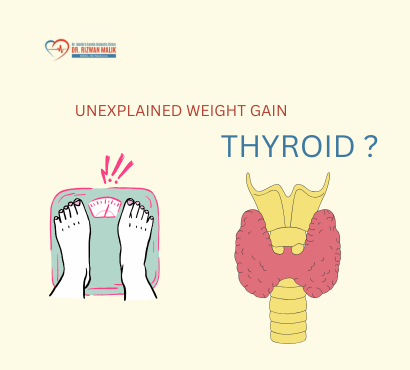
Unexplained Weight Gain: Early Thyroid Red Flags

Weight gain is often blamed on diet or lack of exercise. But when the kilos creep up despite healthy eating and regular activity, it may be a sign of an underlying medical condition. One of the most overlooked causes is thyroid dysfunction, particularly hypothyroidism. In India, thyroid disorders are increasingly common, especially among women. Recognizing unexplained weight gain as a possible thyroid red flag can help in early diagnosis and treatment. Why Thyroid Health Matters The thyroid gland regulates metabolism, energy, and growth. When it slows down, the body burns fewer calories, leading to weight gain even without changes in diet. Hypothyroidism can also cause fatigue, mood changes, and swelling, making weight management even harder. 👉 If you notice persistent weight gain along with fatigue or mood changes, it’s wise to consult an MD – General Medicine specialist. Clinics offering General Health care provide thyroid screening and management strategies tailored to patient needs. Early Thyroid Red Flags 1. Sudden Weight Gain Gaining weight without lifestyle changes is a classic sign of hypothyroidism. 2. Persistent Fatigue Low thyroid hormones slow metabolism, leaving you drained. 3. Puffy Face & Swelling Fluid retention is common in hypothyroidism. 4. Hair Thinning & Dry Skin Reduced hormone levels affect skin and hair health. 5. Mood Changes Depression or irritability can accompany thyroid imbalance. 6. Irregular Periods (in Women) Thyroid dysfunction often disrupts menstrual cycles. 7. Constipation Slowed metabolism affects digestion. 8. Cold Intolerance Feeling unusually cold is another subtle sign. Causes of Hypothyroidism Autoimmune Disease (Hashimoto’s thyroiditis) Iodine deficiency (still seen in parts of India) Medications affecting thyroid function Post-pregnancy thyroiditis Genetic predisposition Awareness Section: When to Seek Medical Help If unexplained weight gain is accompanied by fatigue, swelling, or mood changes, thyroid testing is essential. A simple blood test (TSH, T3, T4) can confirm the diagnosis. Early consultation with a diabetologist in Pimple Saudagar or physician ensures timely treatment. Guidance & Lifestyle Tips Nutrition Include iodine-rich foods like dairy, eggs, and iodized salt. Eat selenium-rich foods (nuts, fish) to support thyroid function. Avoid excessive soy and processed foods. Physical Activity Gentle exercises like yoga and walking help boost metabolism. Strength training improves muscle mass and calorie burn. Stress Management Meditation and breathing exercises reduce hormonal stress. Adequate sleep supports thyroid balance. Medical Care Thyroid hormone replacement therapy under medical supervision. Regular monitoring of TSH levels. Unexplained weight gain is not always about lifestyle. It can be an early red flag of thyroid dysfunction. Recognizing subtle signs like fatigue, swelling, and mood changes can lead to timely diagnosis. With medical guidance, lifestyle adjustments, and regular monitoring, thyroid-related weight gain can be managed effectively. FAQs Q1. Can thyroid-related weight gain be reversed?   Yes, with proper treatment and lifestyle changes, weight can be managed. Q2. How often should thyroid levels be checked? Annually for those at risk, or more frequently if diagnosed. Q3. Is hypothyroidism common in India? Yes, especially among women, making awareness crucial.

chest-tightness
Blog

Chest Tightness in Seniors: Heart Warning Signs

Chest tightness is one of those symptoms that seniors often dismiss as “gas” or “age-related weakness.” But in reality, it can be a serious warning sign of heart disease. In India, where cardiovascular conditions are rising among older adults, recognizing chest discomfort early can save lives. This blog explores the causes, warning signs, and management strategies for chest tightness in seniors, helping families understand when to seek urgent medical care. Why Chest Tightness Matters Chest tightness is not always a heart attack, but it is often linked to reduced blood flow to the heart. Seniors are particularly vulnerable because age-related changes in arteries, combined with lifestyle factors, increase the risk of blockages. 👉 If chest tightness occurs frequently or is accompanied by sweating, dizziness, or breathlessness, it’s important to consult a MD – General Medicine specialist. Clinics offering General Health care provide timely evaluation and preventive strategies for seniors. Common Causes of Chest Tightness in Seniors 1. Coronary Artery Disease (CAD) Blockages in the arteries reduce blood supply to the heart, causing angina (chest pain or tightness). 2. Heart Attack (Myocardial Infarction) Complete blockage of blood flow leads to severe chest pain, often radiating to the arm or jaw. 3. Hypertension Long-standing high blood pressure strains the heart, leading to discomfort. 4. Acid Reflux or GERD Not all chest tightness is cardiac; digestive issues can mimic heart pain. 5. Anxiety or Stress Emotional stress can trigger chest discomfort, especially in seniors with existing heart conditions. Symptoms That Shouldn’t Be Ignored Tightness or heaviness in the chest Pain radiating to the arm, neck, or jaw Shortness of breath during mild activity Sweating, nausea, or dizziness Chest discomfort lasting more than a few minutes Awareness Section: When to Seek Immediate Help If chest tightness occurs suddenly, lasts longer than 5 minutes, or is accompanied by breathlessness and sweating, it may indicate a heart attack. Seniors should be taken to the hospital immediately. Guidance & Lifestyle Tips Diet & Nutrition Reduce salt intake to manage blood pressure. Include heart-healthy foods like oats, nuts, and fish. Avoid fried and processed foods. Physical Activity Gentle exercises like walking or yoga improve circulation. Avoid overexertion; consult a doctor before starting new routines. Stress Management Meditation and breathing exercises help reduce anxiety. Adequate sleep is essential for heart health. Regular Screening Annual ECG and cholesterol checks for seniors. Blood pressure monitoring at home. Chest tightness in seniors should never be ignored. While it may sometimes be due to digestive issues, it is often a sign of heart disease. Recognizing early symptoms, consulting specialists, and adopting preventive lifestyle changes can protect seniors from serious complications. FAQs Q1. Is chest tightness always a heart attack?   No, but in seniors, it often indicates reduced blood flow to the heart and should be evaluated. Q2. Can lifestyle changes reduce chest tightness?   Yes, diet, exercise, and stress management can lower risk factors. Q3. Should seniors undergo regular heart check-ups?   Absolutely. Annual screenings help detect problems early.

signs-prediabetes
Blog

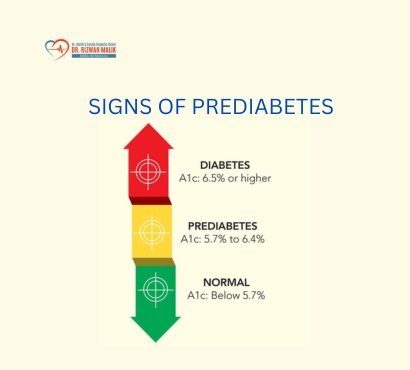
8 Silent Signs of Prediabetes You Shouldn’t Ignore

Prediabetes is often called a “silent condition” because most people don’t realize they have it until blood sugar levels rise dangerously close to diabetes. In India, where lifestyle changes, stress, and dietary habits are contributing to rising cases, early detection is critical. Prediabetes doesn’t always show obvious symptoms, but subtle changes in your body can serve as warning signs. This blog highlights eight silent signs of prediabetes, explains why they matter, and offers practical guidance on prevention and management. Why Prediabetes Matters Prediabetes means your blood sugar levels are higher than normal but not yet high enough to be diagnosed as type 2 diabetes. Without intervention, most people with prediabetes develop diabetes within 5–10 years. The good news is that lifestyle changes can reverse prediabetes and prevent complications. 👉 If you notice subtle changes in your health, it’s wise to consult a diabetologist in Pimple Saudagar or a trusted physician for timely evaluation. Clinics offering General Health care can help with early diagnosis and preventive strategies. 8 Silent Signs of Prediabetes 1. Constant Fatigue Feeling tired even after adequate rest may indicate your body isn’t using glucose efficiently. 2. Increased Thirst Excess sugar in the blood draws water from tissues, leaving you dehydrated. 3. Frequent Urination The kidneys work harder to flush out excess glucose, leading to more bathroom visits. 4. Blurred Vision Fluctuating blood sugar levels can affect the lens of the eye, causing temporary vision changes. 5. Slow Healing of Wounds High sugar levels impair circulation and healing capacity. 6. Tingling in Hands or Feet Early nerve damage (neuropathy) can begin even before full-blown diabetes. 7. Sudden Weight Changes Unexplained weight gain or loss may signal metabolic imbalance. 8. Dark Patches on Skin (Acanthosis Nigricans) Velvety dark patches, often on the neck or armpits, are linked to insulin resistance. Causes & Risk Factors Genetics: Family history of diabetes. Lifestyle: Sedentary habits, poor diet, stress. Obesity: Especially abdominal fat. Age: Risk increases after 35, but younger Indians are also affected. Hormonal Conditions: PCOS in women increases risk. Awareness Section: When to Consult a Doctor If you experience two or more of the silent signs, don’t ignore them. A simple blood test (HbA1c or fasting glucose) can confirm prediabetes. Early consultation with an MD – General Medicine ensures timely intervention. Guidance & Lifestyle Tips Nutrition Choose whole grains over refined carbs. Include fiber-rich foods like vegetables, pulses, and fruits. Limit sugary drinks and processed snacks. Physical Activity Aim for at least 30 minutes of brisk walking daily. Yoga and strength training improve insulin sensitivity. Stress Management Practice meditation or breathing exercises. Ensure adequate sleep to regulate hormones. Regular Screening Annual blood sugar checks if you’re at risk. Monitor blood pressure and cholesterol alongside glucose. Conclusion Prediabetes doesn’t announce itself loudly, but your body gives subtle hints. Fatigue, thirst, blurred vision, and skin changes are not to be ignored. With timely medical advice, lifestyle changes, and regular monitoring, prediabetes can be reversed, preventing progression to diabetes. FAQs Q1. Can prediabetes be reversed naturally?   Yes, with diet, exercise, and weight management, many people return to normal glucose levels. Q2. How often should I get tested for prediabetes?   If you’re at risk, annual testing is recommended. Q3. Is medication needed for prediabetes?   Most cases are managed with lifestyle changes, but some may require medical support.

Pulmonary-Rehabilitation
Blog

The Role of Pulmonary Rehabilitation in Chronic Respiratory Conditions

Chronic respiratory diseases affect millions of people worldwide and can significantly reduce quality of life. Conditions such as Chronic Obstructive Pulmonary Disease, Asthma, and Interstitial Lung Disease often lead to breathlessness, fatigue, reduced physical activity, and repeated hospital visits. Pulmonary rehabilitation is a structured medical program designed to improve lung function, physical endurance, and overall well-being for individuals with chronic respiratory conditions. It combines supervised exercise training, breathing techniques, education, nutrition guidance, and lifestyle adjustments. With regular participation, pulmonary rehabilitation helps patients regain independence and manage symptoms more effectively 🫁 What Is Pulmonary Rehabilitation? Pulmonary rehabilitation is a multidisciplinary treatment approach that supports people living with chronic lung disease. It includes: supervised exercise training breathing retraining techniques nutritional counseling psychological support education about disease management lifestyle modification strategies The goal is not only to improve breathing but also to enhance daily functioning and emotional health. Who Needs Pulmonary Rehabilitation? Pulmonary rehabilitation benefits individuals with several long-term respiratory conditions. Common conditions include: Chronic Obstructive Pulmonary Disease Patients with COPD often experience persistent breathlessness and fatigue. Rehabilitation improves exercise tolerance and reduces hospital admissions. Asthma People with uncontrolled asthma benefit from breathing training and endurance-building programs. Interstitial Lung Disease Pulmonary rehab helps maintain mobility and improve oxygen utilization. Pulmonary Fibrosis Structured rehabilitation improves breathing efficiency and stamina. Bronchiectasis Airway clearance techniques taught during rehab reduce infection risk. Post-COVID-19 Syndrome Many individuals recovering from COVID-related lung injury benefit from rehabilitation programs. Symptoms That Indicate the Need for Pulmonary Rehabilitation Doctors may recommend pulmonary rehabilitation if patients experience: breathlessness during daily activities frequent respiratory infections reduced walking distance fatigue during routine tasks repeated hospital admissions difficulty climbing stairs poor exercise tolerance Early referral improves recovery outcomes. Components of a Pulmonary Rehabilitation Program Pulmonary rehabilitation involves multiple structured therapies. Exercise Training Exercise improves muscle strength and oxygen utilization. Common activities include: walking exercises cycling training strength training flexibility routines Regular supervised exercise improves endurance safely. Breathing Exercises Breathing techniques improve lung efficiency. Common techniques include: Pursed Lip Breathing This technique helps slow breathing and improves oxygen exchange. Diaphragmatic Breathing It strengthens the diaphragm and reduces breathing effort. Airway Clearance Techniques Some respiratory diseases cause mucus buildup. Rehabilitation programs teach methods to: loosen mucus clear airways reduce infection risk improve breathing comfort These techniques are especially useful in bronchiectasis patients. Nutritional Support Nutrition plays an important role in lung disease recovery. Proper dietary guidance helps: maintain muscle strength improve immunity support respiratory muscles prevent weight loss or obesity Balanced nutrition improves rehabilitation outcomes. Psychological Support Chronic lung disease often affects mental health. Patients may experience: anxiety depression fear of breathlessness reduced confidence Pulmonary rehabilitation includes counseling support to improve emotional well-being. Education About Lung Disease Management Patients learn how to: recognize warning symptoms use inhalers correctly avoid triggers manage breathlessness episodes prevent complications Education improves long-term disease control. Benefits of Pulmonary Rehabilitation Pulmonary rehabilitation offers several clinically proven benefits. Improved Breathing Efficiency Breathing becomes easier with training. Patients notice: reduced breathlessness better oxygen use improved lung capacity This improves daily functioning. Increased Exercise Capacity Exercise training strengthens respiratory and body muscles. Patients experience: longer walking distance reduced fatigue improved stamina Daily activities become easier. Reduced Hospital Admissions Patients participating in rehabilitation programs often experience fewer disease flare-ups. Better symptom control reduces emergency visits. Improved Quality of Life Pulmonary rehabilitation supports independence. Patients report: improved sleep quality reduced anxiety greater confidence better physical performance These improvements enhance overall well-being. Role of Pulmonary Rehabilitation Before and After Lung Surgery Pulmonary rehabilitation is useful both before and after lung procedures. It helps: strengthen lungs before surgery reduce complication risk speed recovery after surgery restore physical endurance Doctors often recommend rehabilitation for surgical patients. Pulmonary Rehabilitation in Elderly Patients Older adults benefit significantly from rehabilitation programs. It helps: improve balance prevent falls increase muscle strength enhance breathing control support independence Age is not a limitation for participation. Home-Based Pulmonary Rehabilitation Programs Some patients can continue rehabilitation at home under supervision. Home programs may include: walking routines breathing exercises posture correction training light resistance exercises Consistency is key for long-term benefit. Lifestyle Changes That Support Pulmonary Rehabilitation Lifestyle habits strongly influence respiratory recovery. Helpful strategies include: quitting smoking maintaining healthy weight staying physically active avoiding air pollution exposure following medication schedule These habits improve treatment effectiveness. When Should Patients Start Pulmonary Rehabilitation? Early rehabilitation improves long-term outcomes. Doctors recommend starting rehabilitation: soon after diagnosis after hospitalization following respiratory infection recovery after lung surgery during chronic disease management Timely intervention improves breathing capacity faster. Long-Term Impact of Pulmonary Rehabilitation Regular rehabilitation leads to sustained improvements in: breathing comfort exercise endurance emotional health independence hospitalization risk Continued participation maintains long-term benefits. FAQ Can pulmonary rehabilitation cure chronic lung disease? Pulmonary rehabilitation does not cure lung disease but significantly improves breathing ability, stamina, and quality of life. How long does a pulmonary rehabilitation program last? Most programs last 6 to 12 weeks, depending on disease severity and patient response to therapy. Is pulmonary rehabilitation safe for elderly patients? Yes. Programs are carefully supervised and tailored to individual ability levels, making them safe and effective for older adults.

Scroll to Top