Author name: event

signs-prediabetes
Blog

8 Silent Signs of Prediabetes You Shouldn’t Ignore

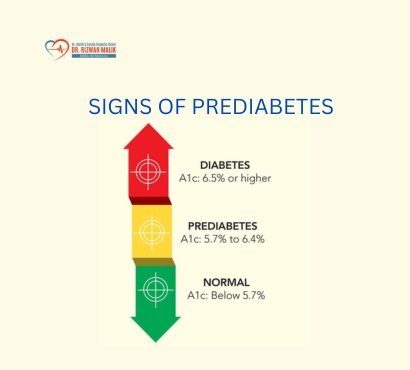
Prediabetes is often called a “silent condition” because most people don’t realize they have it until blood sugar levels rise dangerously close to diabetes. In India, where lifestyle changes, stress, and dietary habits are contributing to rising cases, early detection is critical. Prediabetes doesn’t always show obvious symptoms, but subtle changes in your body can serve as warning signs. This blog highlights eight silent signs of prediabetes, explains why they matter, and offers practical guidance on prevention and management. Why Prediabetes Matters Prediabetes means your blood sugar levels are higher than normal but not yet high enough to be diagnosed as type 2 diabetes. Without intervention, most people with prediabetes develop diabetes within 5–10 years. The good news is that lifestyle changes can reverse prediabetes and prevent complications. 👉 If you notice subtle changes in your health, it’s wise to consult a diabetologist in Pimple Saudagar or a trusted physician for timely evaluation. Clinics offering General Health care can help with early diagnosis and preventive strategies. 8 Silent Signs of Prediabetes 1. Constant Fatigue Feeling tired even after adequate rest may indicate your body isn’t using glucose efficiently. 2. Increased Thirst Excess sugar in the blood draws water from tissues, leaving you dehydrated. 3. Frequent Urination The kidneys work harder to flush out excess glucose, leading to more bathroom visits. 4. Blurred Vision Fluctuating blood sugar levels can affect the lens of the eye, causing temporary vision changes. 5. Slow Healing of Wounds High sugar levels impair circulation and healing capacity. 6. Tingling in Hands or Feet Early nerve damage (neuropathy) can begin even before full-blown diabetes. 7. Sudden Weight Changes Unexplained weight gain or loss may signal metabolic imbalance. 8. Dark Patches on Skin (Acanthosis Nigricans) Velvety dark patches, often on the neck or armpits, are linked to insulin resistance. Causes & Risk Factors Genetics: Family history of diabetes. Lifestyle: Sedentary habits, poor diet, stress. Obesity: Especially abdominal fat. Age: Risk increases after 35, but younger Indians are also affected. Hormonal Conditions: PCOS in women increases risk. Awareness Section: When to Consult a Doctor If you experience two or more of the silent signs, don’t ignore them. A simple blood test (HbA1c or fasting glucose) can confirm prediabetes. Early consultation with an MD – General Medicine ensures timely intervention. Guidance & Lifestyle Tips Nutrition Choose whole grains over refined carbs. Include fiber-rich foods like vegetables, pulses, and fruits. Limit sugary drinks and processed snacks. Physical Activity Aim for at least 30 minutes of brisk walking daily. Yoga and strength training improve insulin sensitivity. Stress Management Practice meditation or breathing exercises. Ensure adequate sleep to regulate hormones. Regular Screening Annual blood sugar checks if you’re at risk. Monitor blood pressure and cholesterol alongside glucose. Conclusion Prediabetes doesn’t announce itself loudly, but your body gives subtle hints. Fatigue, thirst, blurred vision, and skin changes are not to be ignored. With timely medical advice, lifestyle changes, and regular monitoring, prediabetes can be reversed, preventing progression to diabetes. FAQs Q1. Can prediabetes be reversed naturally?   Yes, with diet, exercise, and weight management, many people return to normal glucose levels. Q2. How often should I get tested for prediabetes?   If you’re at risk, annual testing is recommended. Q3. Is medication needed for prediabetes?   Most cases are managed with lifestyle changes, but some may require medical support.

Pulmonary-Rehabilitation
Blog

The Role of Pulmonary Rehabilitation in Chronic Respiratory Conditions

Chronic respiratory diseases affect millions of people worldwide and can significantly reduce quality of life. Conditions such as Chronic Obstructive Pulmonary Disease, Asthma, and Interstitial Lung Disease often lead to breathlessness, fatigue, reduced physical activity, and repeated hospital visits. Pulmonary rehabilitation is a structured medical program designed to improve lung function, physical endurance, and overall well-being for individuals with chronic respiratory conditions. It combines supervised exercise training, breathing techniques, education, nutrition guidance, and lifestyle adjustments. With regular participation, pulmonary rehabilitation helps patients regain independence and manage symptoms more effectively 🫁 What Is Pulmonary Rehabilitation? Pulmonary rehabilitation is a multidisciplinary treatment approach that supports people living with chronic lung disease. It includes: supervised exercise training breathing retraining techniques nutritional counseling psychological support education about disease management lifestyle modification strategies The goal is not only to improve breathing but also to enhance daily functioning and emotional health. Who Needs Pulmonary Rehabilitation? Pulmonary rehabilitation benefits individuals with several long-term respiratory conditions. Common conditions include: Chronic Obstructive Pulmonary Disease Patients with COPD often experience persistent breathlessness and fatigue. Rehabilitation improves exercise tolerance and reduces hospital admissions. Asthma People with uncontrolled asthma benefit from breathing training and endurance-building programs. Interstitial Lung Disease Pulmonary rehab helps maintain mobility and improve oxygen utilization. Pulmonary Fibrosis Structured rehabilitation improves breathing efficiency and stamina. Bronchiectasis Airway clearance techniques taught during rehab reduce infection risk. Post-COVID-19 Syndrome Many individuals recovering from COVID-related lung injury benefit from rehabilitation programs. Symptoms That Indicate the Need for Pulmonary Rehabilitation Doctors may recommend pulmonary rehabilitation if patients experience: breathlessness during daily activities frequent respiratory infections reduced walking distance fatigue during routine tasks repeated hospital admissions difficulty climbing stairs poor exercise tolerance Early referral improves recovery outcomes. Components of a Pulmonary Rehabilitation Program Pulmonary rehabilitation involves multiple structured therapies. Exercise Training Exercise improves muscle strength and oxygen utilization. Common activities include: walking exercises cycling training strength training flexibility routines Regular supervised exercise improves endurance safely. Breathing Exercises Breathing techniques improve lung efficiency. Common techniques include: Pursed Lip Breathing This technique helps slow breathing and improves oxygen exchange. Diaphragmatic Breathing It strengthens the diaphragm and reduces breathing effort. Airway Clearance Techniques Some respiratory diseases cause mucus buildup. Rehabilitation programs teach methods to: loosen mucus clear airways reduce infection risk improve breathing comfort These techniques are especially useful in bronchiectasis patients. Nutritional Support Nutrition plays an important role in lung disease recovery. Proper dietary guidance helps: maintain muscle strength improve immunity support respiratory muscles prevent weight loss or obesity Balanced nutrition improves rehabilitation outcomes. Psychological Support Chronic lung disease often affects mental health. Patients may experience: anxiety depression fear of breathlessness reduced confidence Pulmonary rehabilitation includes counseling support to improve emotional well-being. Education About Lung Disease Management Patients learn how to: recognize warning symptoms use inhalers correctly avoid triggers manage breathlessness episodes prevent complications Education improves long-term disease control. Benefits of Pulmonary Rehabilitation Pulmonary rehabilitation offers several clinically proven benefits. Improved Breathing Efficiency Breathing becomes easier with training. Patients notice: reduced breathlessness better oxygen use improved lung capacity This improves daily functioning. Increased Exercise Capacity Exercise training strengthens respiratory and body muscles. Patients experience: longer walking distance reduced fatigue improved stamina Daily activities become easier. Reduced Hospital Admissions Patients participating in rehabilitation programs often experience fewer disease flare-ups. Better symptom control reduces emergency visits. Improved Quality of Life Pulmonary rehabilitation supports independence. Patients report: improved sleep quality reduced anxiety greater confidence better physical performance These improvements enhance overall well-being. Role of Pulmonary Rehabilitation Before and After Lung Surgery Pulmonary rehabilitation is useful both before and after lung procedures. It helps: strengthen lungs before surgery reduce complication risk speed recovery after surgery restore physical endurance Doctors often recommend rehabilitation for surgical patients. Pulmonary Rehabilitation in Elderly Patients Older adults benefit significantly from rehabilitation programs. It helps: improve balance prevent falls increase muscle strength enhance breathing control support independence Age is not a limitation for participation. Home-Based Pulmonary Rehabilitation Programs Some patients can continue rehabilitation at home under supervision. Home programs may include: walking routines breathing exercises posture correction training light resistance exercises Consistency is key for long-term benefit. Lifestyle Changes That Support Pulmonary Rehabilitation Lifestyle habits strongly influence respiratory recovery. Helpful strategies include: quitting smoking maintaining healthy weight staying physically active avoiding air pollution exposure following medication schedule These habits improve treatment effectiveness. When Should Patients Start Pulmonary Rehabilitation? Early rehabilitation improves long-term outcomes. Doctors recommend starting rehabilitation: soon after diagnosis after hospitalization following respiratory infection recovery after lung surgery during chronic disease management Timely intervention improves breathing capacity faster. Long-Term Impact of Pulmonary Rehabilitation Regular rehabilitation leads to sustained improvements in: breathing comfort exercise endurance emotional health independence hospitalization risk Continued participation maintains long-term benefits. FAQ Can pulmonary rehabilitation cure chronic lung disease? Pulmonary rehabilitation does not cure lung disease but significantly improves breathing ability, stamina, and quality of life. How long does a pulmonary rehabilitation program last? Most programs last 6 to 12 weeks, depending on disease severity and patient response to therapy. Is pulmonary rehabilitation safe for elderly patients? Yes. Programs are carefully supervised and tailored to individual ability levels, making them safe and effective for older adults.

Thyroid-and-Pregnancy
Blog

Thyroid and Pregnancy: What Every Woman Needs to Know

The thyroid gland plays a critical role in maintaining hormonal balance during pregnancy. It produces hormones that regulate metabolism, energy levels, and most importantly, fetal brain development. Even mild thyroid imbalance during pregnancy can affect both maternal health and the baby’s growth. Fortunately, with early detection and proper treatment, most women with thyroid disorders can have safe and healthy pregnancies. Understanding how thyroid conditions influence pregnancy helps women recognize symptoms early and seek timely medical evaluation 🤰 What Is the Thyroid Gland and Why Is It Important During Pregnancy? The thyroid gland is a small butterfly-shaped gland located in the neck. It produces two major hormones: T3 (triiodothyronine) T4 (thyroxine) These hormones regulate: metabolism heart rate body temperature energy levels fetal brain development During pregnancy, thyroid hormone requirements increase because the developing baby depends on the mother’s thyroid supply, especially during the first trimester. Common Thyroid Disorders During Pregnancy Two major thyroid conditions can affect pregnancy: Hypothyroidism This condition occurs when the thyroid gland produces too little hormone. It is more common during pregnancy than hyperthyroidism. Hyperthyroidism This condition occurs when the thyroid gland produces excessive hormones. Though less common, it can still affect pregnancy outcomes if untreated. Why Thyroid Hormones Are Critical for Baby’s Development During early pregnancy, the baby’s thyroid gland is not fully developed. The fetus depends entirely on the mother’s thyroid hormones for: brain growth nervous system development skeletal formation organ maturation Low maternal thyroid hormone levels during early pregnancy may affect neurological development if untreated. Causes of Thyroid Disorders During Pregnancy Several factors may contribute to thyroid imbalance during pregnancy. Autoimmune Thyroid Disease The most common cause is an autoimmune condition known as: Hashimoto’s thyroiditis This condition causes the immune system to attack the thyroid gland, reducing hormone production. Another autoimmune condition linked with pregnancy-related thyroid imbalance is: Graves’ disease It causes excessive thyroid hormone production. Iodine Deficiency Iodine is essential for thyroid hormone production. Low iodine intake increases risk of thyroid dysfunction during pregnancy. Adequate iodine intake supports fetal brain development. Pre-Existing Thyroid Disorders Women diagnosed with thyroid disease before pregnancy require closer monitoring throughout pregnancy. Hormone requirements often change during gestation. Symptoms of Hypothyroidism During Pregnancy Symptoms are often mild and mistaken for normal pregnancy changes. Common warning signs include: fatigue excessive weight gain dry skin constipation hair thinning depression slow heart rate cold intolerance Because symptoms overlap with normal pregnancy changes, blood testing is essential for diagnosis. Symptoms of Hyperthyroidism During Pregnancy Symptoms may include: rapid heartbeat anxiety unexplained weight loss excessive sweating tremors sleep disturbance heat intolerance Severe untreated hyperthyroidism increases pregnancy complications. Risks of Untreated Hypothyroidism During Pregnancy If untreated, hypothyroidism may increase risk of: miscarriage anemia preeclampsia low birth weight baby premature delivery impaired fetal brain development Early detection reduces these risks significantly. Risks of Untreated Hyperthyroidism During Pregnancy Untreated hyperthyroidism may cause: high blood pressure premature birth low birth weight heart complications in mother fetal thyroid dysfunction Proper treatment improves pregnancy outcomes. Importance of Thyroid Testing During Pregnancy Routine thyroid screening is recommended for women who: have previous thyroid disease have infertility history experienced miscarriage earlier have family history of thyroid disorders show symptoms of hormonal imbalance Simple blood tests help evaluate: TSH levels T3 levels T4 levels Monitoring helps ensure hormonal stability throughout pregnancy. Safe Treatment Options During Pregnancy Most thyroid disorders can be safely managed during pregnancy. Treatment of Hypothyroidism Doctors usually prescribe thyroid hormone replacement therapy. The most commonly used medication is: Levothyroxine It replaces missing thyroid hormone safely. This medication is considered safe for both mother and baby when taken under medical supervision. Regular blood monitoring ensures proper dosage adjustment. Treatment of Hyperthyroidism Treatment may involve medications that reduce hormone production. Doctors select safe doses carefully to protect fetal development. Close monitoring throughout pregnancy is essential. Role of Nutrition in Supporting Thyroid Health During Pregnancy Diet plays an important role in maintaining thyroid balance. Important nutrients include: Iodine Iodine supports thyroid hormone production. Sources include: iodized salt dairy products eggs seafood Balanced intake supports fetal brain growth. Selenium Selenium helps regulate thyroid enzyme activity. Sources include: nuts sunflower seeds whole grains Adequate intake improves thyroid function. Iron Iron deficiency can worsen thyroid imbalance. Sources include: spinach legumes dates jaggery Balanced iron intake supports maternal health. Importance of Monitoring Thyroid Levels During Each Trimester Hormone requirements change throughout pregnancy. Regular testing helps: adjust medication dosage prevent complications support fetal development maintain maternal health Monitoring is especially important during the first trimester. Post-Delivery Thyroid Changes Some women develop thyroid imbalance after childbirth. This condition is known as: Postpartum thyroiditis Symptoms may include: fatigue mood swings weight change anxiety Early evaluation supports recovery. Long-Term Outlook for Women with Thyroid Disorders During Pregnancy With proper medical care: most pregnancies progress normally complications remain preventable babies develop healthily maternal recovery improves Early diagnosis and regular monitoring are key to safe outcomes. FAQ Should all pregnant women get thyroid tests? Routine testing is recommended for women with risk factors or symptoms. Early screening helps prevent complications during pregnancy. Can thyroid medication harm the baby? When prescribed correctly, thyroid medications such as levothyroxine are safe and essential for healthy fetal development. Can thyroid problems affect breastfeeding? Most thyroid conditions can be safely managed during breastfeeding with appropriate medical supervision and monitoring.

heart-health
Blog

How Heart Health Impacts Overall Wellness: Why ECG Matters

The heart is one of the most vital organs in the human body. It works continuously to pump blood, delivering oxygen and nutrients to tissues while removing waste products. Because the heart plays such a central role in circulation, its health has a direct impact on the functioning of every other organ system. When the heart is functioning properly, the body receives the oxygen and nutrients needed to maintain energy, immunity, and organ performance. However, when heart health is compromised, it can lead to a wide range of problems that affect overall wellness. Conditions such as irregular heart rhythms, blocked arteries, or heart muscle damage can disrupt circulation and cause serious health complications if not detected early. One of the most important diagnostic tools used to evaluate heart health is the electrocardiogram, commonly known as an ECG. This simple and non-invasive test records the electrical activity of the heart and helps detect abnormalities in heart rhythm, structure, or function. Understanding how heart health influences overall well-being and why ECG testing is important can help individuals take proactive steps to protect their cardiovascular health. This article explores the connection between heart health and general wellness, explains how ECG works, and highlights why regular heart monitoring is essential. Understanding Heart Health Heart health refers to the proper functioning of the heart and blood vessels. A healthy heart pumps blood efficiently, maintaining stable circulation throughout the body. The cardiovascular system includes: The heart Blood vessels such as arteries and veins Blood that carries oxygen and nutrients Together, these components support essential bodily functions including brain activity, muscle movement, digestion, and immune response. When the cardiovascular system functions properly, the body operates efficiently. However, disruptions in heart function can lead to widespread health issues. Why Heart Health Affects the Entire Body Because the heart pumps blood to every organ, problems with the heart can affect multiple systems simultaneously. Brain Function The brain requires a constant supply of oxygen-rich blood to function properly. Reduced blood flow can lead to dizziness, confusion, or even stroke in severe cases. Kidney Health The kidneys depend on healthy blood circulation to filter waste products from the body. Poor heart function can impair kidney performance. Energy Levels When the heart struggles to pump blood efficiently, the body may not receive enough oxygen. This can result in fatigue and reduced physical endurance. Immune System Healthy circulation helps transport immune cells throughout the body to fight infections. This interconnected relationship explains why cardiovascular health plays such a major role in overall wellness. Common Heart Problems That Affect Wellness Several heart-related conditions can impact general health. Coronary Artery Disease This condition occurs when the arteries supplying blood to the heart become narrowed or blocked. Reduced blood flow to the heart muscle may cause chest discomfort, fatigue, or heart attacks. Heart Rhythm Disorders Irregular heart rhythms, known as arrhythmias, can cause the heart to beat too fast, too slow, or irregularly. Symptoms may include palpitations, dizziness, or fainting. Heart Failure Heart failure occurs when the heart cannot pump blood effectively to meet the body’s needs. This condition can cause fluid buildup, shortness of breath, and fatigue. High Blood Pressure High blood pressure increases strain on the heart and blood vessels, raising the risk of heart disease and stroke. Early detection and management are essential for preventing complications. What Is an ECG? An electrocardiogram (ECG) is a medical test that records the electrical signals generated by the heart as it beats. Every heartbeat begins with an electrical impulse that travels through the heart muscle. These signals coordinate the contraction and relaxation of heart chambers, ensuring efficient blood circulation. An ECG measures these electrical signals and displays them as waves on a monitor or printed graph. Doctors analyze these patterns to evaluate heart rhythm and detect abnormalities. How an ECG Works The ECG procedure involves placing small sensors called electrodes on the chest, arms, and legs. These electrodes detect electrical signals produced by the heart and transmit them to a recording device. The resulting graph shows several wave patterns representing different phases of the heartbeat. These wave patterns help identify: Heart rhythm irregularities Signs of heart muscle damage Electrical conduction problems Evidence of previous heart attacks The test is quick, painless, and typically completed within a few minutes. Why ECG Testing Is Important ECG testing plays a crucial role in detecting heart problems early. Early Detection of Heart Conditions Some heart conditions develop gradually and may not produce obvious symptoms initially. ECG tests can reveal abnormalities before they become severe. Monitoring Heart Health ECG tests help doctors monitor heart function in individuals with known cardiovascular conditions. Evaluating Symptoms People experiencing chest pain, palpitations, dizziness, or fainting may undergo ECG testing to determine whether the symptoms are related to heart problems. Assessing Treatment Effectiveness For individuals receiving treatment for heart conditions, ECG monitoring helps evaluate how well the treatment is working. Who Should Consider an ECG Test? Although ECG tests are often performed when symptoms appear, certain individuals may benefit from routine heart monitoring. These include: Individuals with a family history of heart disease People with high blood pressure Individuals with diabetes People experiencing unexplained chest discomfort Individuals with frequent palpitations or dizziness Regular evaluation with a Heart Specialist can help identify risks early. Signs That May Indicate Heart Problems Certain symptoms may signal underlying heart issues and should not be ignored. These include: Chest pain or pressure Shortness of breath Irregular or rapid heartbeat Unexplained fatigue Dizziness or fainting Swelling in legs or ankles An ECG test may help determine whether these symptoms are related to heart abnormalities. How ECG Supports Preventive Healthcare Preventive healthcare focuses on identifying health risks early and taking steps to avoid serious complications. ECG testing contributes to preventive care by detecting changes in heart rhythm or electrical activity that might indicate developing heart disease. Early diagnosis allows doctors to recommend lifestyle changes or treatments before the condition worsens. Lifestyle Factors That Influence Heart Health Maintaining a healthy heart requires attention

continuous-glucose-monitor
Blog

Advancements in Diabetes Technology : Continuous Glucose Monitors Explained

Diabetes management has evolved significantly over the past decade. What once required multiple daily finger-prick tests and handwritten logbooks has now transformed into real-time, technology-driven monitoring systems. Among the most revolutionary innovations in diabetes care is the Continuous Glucose Monitor (CGM). For millions of people living with diabetes in India, maintaining stable blood sugar levels is a daily challenge. Traditional glucose monitoring methods, while effective, provide only snapshot readings. Continuous glucose monitoring, on the other hand, offers dynamic, real-time insights into glucose trends—empowering patients and doctors to make better treatment decisions. This detailed guide explains what continuous glucose monitors are, how they work, their benefits, limitations, costs in India, and whether they are suitable for you. Understanding Diabetes and the Need for Advanced Monitoring Diabetes is a chronic condition characterized by high blood sugar levels due to insufficient insulin production or ineffective insulin use. The two primary types are: Type 1 Diabetes – An autoimmune condition where the pancreas produces little or no insulin. Type 2 Diabetes – A metabolic disorder where the body becomes resistant to insulin or does not produce enough. Effective diabetes management depends heavily on maintaining glucose levels within a target range. Fluctuations—whether hyperglycemia (high sugar) or hypoglycemia (low sugar)—can lead to both short-term and long-term complications. Traditional glucometers measure glucose at a specific moment. However, they cannot show whether sugar levels are rising rapidly, dropping suddenly, or remaining stable. This gap led to the development of Continuous Glucose Monitoring systems. What Is a Continuous Glucose Monitor (CGM)? A Continuous Glucose Monitor is a small wearable device that tracks glucose levels in real time throughout the day and night. Unlike traditional finger-stick tests, CGMs measure glucose levels in the interstitial fluid (the fluid between cells) just beneath the skin. The system typically includes: A tiny sensor inserted under the skin A transmitter that sends data A receiver or smartphone app to display readings Most CGMs provide glucose updates every 1 to 5 minutes, offering up to 288 readings per day. How Does a CGM Work? The process is surprisingly simple: A small sensor is inserted under the skin, usually on the abdomen or upper arm. The sensor measures glucose in interstitial fluid. Data is transmitted wirelessly to a device or mobile app. Users can view real-time readings, trends, and alerts. Unlike traditional testing, CGMs do not require frequent finger pricks (though occasional calibration may be needed in some models). Key Features of Modern CGMs 1. Real-Time Glucose Monitoring Users can see their current sugar level instantly. 2. Trend Arrows CGMs show whether glucose is: Rising quickly Dropping rapidly Stable This predictive insight is one of the biggest advantages. 3. Alerts and Alarms Devices can notify users when: Sugar levels are too high Sugar levels are too low Rapid fluctuations occur This is particularly valuable for preventing nighttime hypoglycemia. 4. Data Storage and Sharing Many CGMs allow data sharing with: Family members Caregivers Doctors This helps in better treatment planning. Types of Continuous Glucose Monitoring Systems 1. Real-Time CGM (rtCGM) Provides automatic glucose readings continuously without scanning. 2. Flash Glucose Monitoring Requires the user to scan the sensor with a reader or smartphone to see glucose levels. Both systems are widely used in India depending on affordability and individual needs. Who Can Benefit from CGMs? Continuous glucose monitoring is especially useful for: People with Type 1 diabetes Insulin-dependent Type 2 diabetes patients Individuals with frequent hypoglycemia Pregnant women with gestational diabetes Children with diabetes However, even non-insulin-dependent patients can benefit from understanding glucose patterns. Advantages of Continuous Glucose Monitoring 1. Better Glycemic Control CGMs help reduce HbA1c levels by providing detailed data for adjustments. 2. Fewer Hypoglycemic Episodes Real-time alerts prevent dangerously low sugar levels. 3. Improved Lifestyle Awareness Users can see how: Food choices Exercise Stress Sleep affect glucose levels. 4. Reduced Finger Pricks Although not completely eliminated in all systems, finger-stick testing is significantly reduced. 5. Enhanced Quality of Life Many users report feeling more confident and less anxious about sudden sugar fluctuations. Limitations of CGMs Despite their benefits, CGMs have some limitations: Higher cost compared to glucometers Sensor replacement every 10–14 days (varies by brand) Slight lag between blood glucose and interstitial glucose Skin irritation in some individuals Understanding these factors helps set realistic expectations. Cost of Continuous Glucose Monitors in India The cost depends on: Type of CGM system Brand Duration of sensor use On average: Initial setup may cost more Recurring monthly sensor expenses apply While relatively expensive, many patients find the benefits justify the investment. CGM and Insulin Pumps: The Future of Diabetes Care Some advanced systems integrate CGM with insulin pumps, creating a semi-automated insulin delivery system. These systems: Adjust insulin delivery based on glucose readings Reduce manual intervention Improve time-in-range metrics This represents a major step toward artificial pancreas technology. Time in Range: A New Standard Traditionally, HbA1c was the primary measure of diabetes control. Now, CGMs introduce a new metric: Time in Range (TIR). TIR measures the percentage of time glucose levels stay within the target range. Higher TIR correlates with fewer complications. CGM for Children and Adolescents Managing diabetes in children can be challenging. CGMs provide: Remote monitoring for parents School-time safety Better control during growth phases This reduces stress for both children and caregivers. CGM in Gestational Diabetes Pregnancy requires strict glucose control. CGMs help: Monitor fluctuations closely Reduce risk of complications Improve maternal and fetal outcomes Lifestyle Insights from CGM Data One of the most powerful aspects of CGM is pattern recognition. Users often discover: Certain foods spike sugar rapidly Late dinners affect fasting glucose Exercise lowers sugar for several hours Poor sleep worsens glucose control This awareness promotes sustainable lifestyle changes. Are CGMs Accurate? Modern CGMs are highly accurate, though slight differences compared to finger-prick tests may occur. Accuracy continues to improve with technological advancements. Is CGM Right for You? Consider CGM if you: Experience unpredictable sugar swings Use insulin multiple times daily Want better diabetes insights Fear nighttime hypoglycemia Desire data-driven management

diabetes-meal-plan.
Blog

How to Create a Diabetes-Friendly Meal Plan Without Feeling Restricted

Being diagnosed with diabetes often comes with one immediate fear—“Do I have to give up all my favorite foods?” The good news is: you don’t have to feel restricted to manage diabetes effectively. A well-planned diabetes-friendly diet is not about eliminating foods—it’s about making smarter choices, balancing nutrients, and understanding how food affects your blood sugar levels. For many people in India, managing diabetes can feel even more challenging due to carb-heavy staples like rice, roti, and sweets. However, with the right approach, you can enjoy your meals while keeping your blood sugar in control. In this blog, we’ll break down how to create a sustainable, practical, and satisfying meal plan that works for real life. Understanding Diabetes and Food Diabetes affects how your body processes glucose (sugar). The main goal of diet planning is to: Maintain stable blood sugar levels  Avoid sudden spikes and crashes  Support overall health  The key lies in balancing three macronutrients: 1. Carbohydrates Main source of glucose  Should be controlled, not eliminated  2. Proteins Help in muscle repair and satiety  Slow down sugar absorption  3. Healthy Fats Provide long-lasting energy  Improve insulin sensitivity  The Biggest Myth: “Diabetics Can’t Eat Carbs” This is one of the most common misconceptions. 👉 The truth: You can eat carbs—but you need to choose the right type and portion. Good Carbs vs Bad Carbs Choose: Whole grains (brown rice, oats, millets)  Whole wheat roti  Vegetables  Limit: Refined flour (maida)  Sugary foods  Processed snacks  Principles of a Diabetes-Friendly Meal Plan 1. Portion Control is Key Even healthy foods can spike sugar if eaten in excess. 👉 Use the “plate method”: 50% vegetables  25% protein  25% carbohydrates  2. Eat at Regular Intervals Skipping meals can cause fluctuations in blood sugar. Eat every 3–4 hours  Avoid long gaps  3. Combine Nutrients Smartly Pair carbs with protein and fat to slow sugar absorption. 👉 Example: Roti + dal + sabzi  Rice + paneer + salad  4. Focus on Fiber Fiber slows digestion and prevents sugar spikes. Include: Fruits with skin  Vegetables  Whole grains  Seeds  5. Stay Hydrated Water helps regulate blood sugar and metabolism. Indian Diabetes-Friendly Meal Plan (Sample) Early Morning Warm water with soaked almonds or methi seeds  Breakfast Vegetable oats / poha with peanuts  1 boiled egg or paneer  Unsweetened tea or milk  Mid-Morning Snack 1 fruit (apple, guava, or papaya)  Lunch 1–2 whole wheat rotis or small portion of brown rice  Dal or grilled chicken  Green vegetable sabzi  Salad  Evening Snack Roasted chana / sprouts chaat  Green tea  Dinner Light meal: soup + stir-fried vegetables + protein  Avoid heavy carbs at night  Bedtime (if needed) A glass of milk or a handful of nuts  Foods You Can Enjoy Without Guilt 1. High-Fiber Vegetables Spinach  Broccoli  Carrots  Beans  2. Protein-Rich Foods Eggs  Paneer  Chicken  Lentils  3. Healthy Fats Nuts (almonds, walnuts)  Seeds (chia, flaxseed)  Olive oil  4. Low Glycemic Fruits Apple  Pear  Berries  Guava  Foods to Limit (Not Completely Avoid) Sweets and desserts  Sugary drinks  White bread and refined flour  Fried foods  👉 Occasional indulgence is okay—balance is the key. Smart Swaps for Indian Diet Instead Of Choose This White rice Brown rice / millets Sugar Stevia / controlled jaggery Fried snacks Roasted snacks Creamy curries Grilled or sautéed dishes How to Eat Out Without Ruining Your Diet You don’t have to avoid restaurants—just be mindful. Tips: Choose grilled over fried  Avoid sugary beverages  Control portion sizes  Share desserts  The Role of Glycemic Index (GI) The Glycemic Index measures how quickly food raises blood sugar. Low GI Foods (Best) Oats  Legumes  Vegetables  High GI Foods (Limit) White bread  Sugary snacks  Importance of Meal Timing Eating late or irregularly can: Increase insulin resistance  Cause sugar spikes  👉 Best practice: Eat dinner at least 2–3 hours before sleep  Emotional Eating and Diabetes Food is not just physical—it’s emotional too. Many people feel restricted and end up: Overeating  Craving sweets  Losing motivation  Solution: Allow occasional treats  Practice mindful eating  Focus on long-term habits  Physical Activity Matters Diet alone is not enough. Even simple activities like: Walking  Yoga  Light exercise  can significantly improve blood sugar control. Common Mistakes to Avoid ❌ Skipping meals ❌ Completely avoiding carbs ❌ Overeating “healthy” foods ❌ Ignoring portion size ❌ Not reading food labels How to Stay Consistent Plan meals in advance  Keep healthy snacks handy  Avoid extreme dieting  Set realistic goals  👉 Consistency matters more than perfection. Is a Diabetes Diet Different for Everyone? Yes. Meal plans vary depending on: Age  Weight  Activity level  Medication  👉 Personalized planning is always more effective. Conclusion Creating a diabetes-friendly meal plan doesn’t mean giving up your favorite foods or feeling restricted. It’s about building a sustainable lifestyle that supports your health while still allowing you to enjoy your meals. With mindful eating, balanced nutrition, and a positive approach, managing diabetes can become a natural part of your daily routine—not a burden. FAQs 1. Can people with diabetes eat sweets occasionally? Yes, in moderation. Occasional sweets can be included if balanced with overall diet and portion control. 2. Is rice completely banned in diabetes? No. Portion control and choosing healthier alternatives like brown rice or millets is recommended. 3. How many meals should a diabetic person eat in a day? Ideally, 3 main meals and 2–3 small snacks help maintain stable blood sugar levels.

ecg-result
Blog

ECG Results Interpretation India: P QRS T Waves Normal Abnormal Guide

Getting an ECG feels routine, but staring at those squiggly lines on the report leaves most puzzled—what do they really say about your heart? This simple 10-second test traces electrical impulses powering every beat, flagging issues from skipped rhythms to silent blockages. In India, where heart disease strikes young due to stress and diets, mastering basics empowers you to ask smart questions. ECG Basics: The Heart’s Electrical Story Your heart beats 100,000 times daily via timed electrical waves from sinus node pacemaker. ECG captures this via 12 leads (views) from chest/limbs electrodes. Paper speed 25mm/sec, 1 small square=0.04sec, large=0.2sec. Rhythm strips show cycles. Normal sinus: regular 60-100 bpm. India costs ₹200-500; 24hr Holter ₹3k tracks irregularities. P Wave: Atrial Kickoff P wave kicks depolarization—right then left atria contract, filling ventricles. Normal: upright leads I/II/aVF, 0.08-0.11sec wide, <2.5mm tall. Precedes every QRS. Absent? Atrial fib chaos. Tall/peaked? Right atrial enlarge (lung issues). Notched wide? Left atrial (mitral valve). Inverted? Ectopic focus. PR interval (P start-QRS start) 0.12-0.20sec conduction delay AV node. Short WPW bypass, long 1st block. QRS Complex: Ventricular Power Surge QRS ventricular depolarization—septum left-right, apex up. Narrow <0.12sec normal conduction. Wide >0.12 bundle branch block/ventricular origin. Q small initial negative I/II/V5-6 normal septal. Pathologic deep/wide old infarct. R tall V leads voltage. S deep right precordials. Amplitude criteria hypertrophy: tall R left ventricle strain. Axis normal -30 to +90; left deviation LVH, right RVH/pulm embolism. ST Segment and T Wave: Recharge Phase ST segment flat/equiline post-QRS to T start. Elevation >1mm acute MI STEMI emergency. Depression ischemia/strain. T upright repolarization most leads. Inverted ischemia/hypertrophy/electrolytes. Peaked hyperK, flat hypoK. QT 0.36-0.44sec corrected QTc heart rate (Bazett formula). Long torsades risk. U wave occasional post-T hypokalemia. Common Abnormal Patterns Sinus brady <60 athletes, tachy >100 fever/thyroid. AFib no P irregular RR fibrillatory baseline stroke risk. VT wide bizarre rapid life-threatening. Blocks: 2nd Mobitz dropped beats, 3rd complete no relation P-QRS. LVH criteria Sokolow voltage+strain. India young MI ST elevation common smoker diabetics. Rate Rhythm Calculation Rate 300/large boxes RR interval or 1500/small. Irregular average 30sec strip x6. Calipers check regularity.​ Clinical Context Matters Single ECG snapshot; compare priors. Symptoms chest pain? Troponin echo follow. Normal athletes high voltage. Women thinner leads variants. Consult cardiologist interprets holistically. Table: Normal Values Component Normal Range Abnormal Example ​ Rate 60-100 bpm Tachy >100 PR 0.12-0.20s Long 1st block QRS <0.12s Wide LBBB QTc <440ms men Long arrhythmia risk Abnormal ECG Next Steps India Abnormal? Echo function, stress test ischemia, Holter palpitations. TMT ₹2k, angiogram ₹20k. Lifestyle quits smoking cuts risk 50%.​   FAQ What does absent P waves on ECG mean? Absent P waves with irregular RR intervals indicate atrial fibrillation, where atria quiver ineffectively raising stroke risk 5x untreated; anticoagulation often needed alongside rate control. ST elevation on ECG—emergency? Yes, >1-2mm convex ST elevation in contiguous leads signals STEMI heart attack; immediate cath lab reperfusion within 90 minutes saves myocardium, per guidelines. Wide QRS complex significance? QRS >0.12sec suggests bundle branch block delaying conduction or ventricular rhythm; left common hypertension, right lung disease—echo assesses underlying structure

Blog

Diabetes and Skin Health – Symptoms You Shouldn’t Ignore

Why Diabetes Attacks Your Skin First High blood sugar doesn’t just affect eyes, kidneys, nerves – skin suffers first and worst. 30-70% diabetics develop cutaneous clues signaling poor control.​ Mechanisms: Microangiopathy: Tiny vessel damage starves skin Neuropathy: Poor sweat → dry/cracked skin Immune dysfunction: 3x infection risk Glycation: Collagen stiffens (thick/waxy skin) India crisis: 77M diabetics + vitamin D deficiency = accelerated skin aging + infections. Symptom #1: Diabetic Dermopathy (Shin Spots) Most common diabetes skin sign (50% patients).​ Appearance: Light brown/red oval patches, shins (over bone) Cause: Microvessel leakage + trauma response Timeline: 10-20 years diabetes OR poor HbA1c Key: 4+ lesions = diabetes until proven otherwise Prevention: Moisturize shins daily, HbA1c <7% Symptom #2: Acanthosis Nigricans (Dark Velvety Patches) Earliest diabetes flag – neck, armpits, groin darkening.​ Texture: Thick, velvety (“prayer rug” feel) India alert: #1 prediabetes sign adolescents (PCOS link) Cause: Insulin resistance (high insulin stimulates skin cells) Action: Fasting glucose test NOW. Weight loss reverses. Symptom #3: Diabetic Blisters (Bullosis Diabeticorum) Rare but dramatic: Sudden painless blisters (hands/feet).​ Size: 1-10cm, rupture → ulcer risk Heal: 2-5 weeks (no scarring typical) Trigger: Sudden HbA1c drop + neuropathy Urgency: Clean/dress; infection risk high. Symptom #4: Digital Sclerosis (Thick Shiny Fingers) Hands stiffen: Waxy, tight skin fingers → joint contractures.​ Progression: Fingers → hands → can’t fully open/clasp Long-term type 1 diabetes hallmark Treatment: Strict glucose + hand physio Symptom #5: Necrobiosis Lipoidica (Yellow Painless Patches) Pretibial yellow plaques, shiny/atrophic center.​ Ulcerate: 30% develop painful ulcers Women > men; teens/20s onset Complication: Squamous cell carcinoma rare Symptom #6: Eruptive Xanthomatosis (Yellow Crop) Sudden crop itchy yellow papules (buttocks, thighs).​ Triglycerides >1000 + uncontrolled diabetes Resolve: Lipid control + glucose Bacterial Infections: 3x Higher Risk Staph/Strep: Boils, carbuncles, abscesses recur.​ Folliculitis: Hair follicles inflamed Erysipelas: Rapid red swollen painful Why: Impaired neutrophils + poor circulation Fungal Infections: The Diabetes Triad Location Fungus Appearance Nails Onychomycosis Thick, yellow, crumbling Groin Tinea cruris Red, itchy ring Face Tinea faciei Red scaly patches India humid climate = fungal paradise for diabetics. Itchy Dry Skin (Xerosis) – The Silent Destroyer 90% diabetics: Leg washcloth itch → scratching → cracks → cellulitis.​ Cause: Autonomic neuropathy → poor sweat/oil Fix: Emollients 3x daily (ceramide-based) Wound Healing Disaster: The DFU Crisis 15-25% diabetics develop foot ulcers lifetime.​ India: 73K leg amputations/year (diabetes) Warning signs: Non-healing cuts, calluses, neuropathy Daily foot check protocol mandatory. Rare but Serious: Diabetic Thick Skin Syndromes Scleroderma-like: Acral tight skin (fingers → arms) Stiff hand syndrome: Prayer sign (can’t flatten hands) Waxy shoulders/back: Limited joint mobility Symptom Timeline: When Skin Sounds Alarm Duration Diabetes Skin Warning Signs Undiagnosed Acanthosis nigricans 1-5 years Infections, shin spots 5-10 years Digital sclerosis, NL 10-20 years Blisters, xanthomas Daily Skin Care Protocol for Diabetics Morning: HbA1c log check Full body moisturize (ceramide/urea) Foot inspection (mirror) SPF 50+ (neck/arms) Evening: 20min lukewarm soak Emollient lock-in No barefoot walking Glucose log   Infection Red Flags – ER Now Red streaks (lymphangitis) Hot/warm >2°C normal Fever/chills with skin focus Non-healing >2 weeks Necrosis/black tissue Nutrition for Diabetes Skin Health Skin-protective diet: Omega-3: 2g/day (fish/flax) Vitamin A: Carrots/pumpkin Zinc: Pumpkin seeds 15mg Vitamin C: Amla 500mg Biotin: Egg yolk   Treatment Summary by Condition Condition First Line Prevention Shin Spots Moisturize HbA1c <7% AN Metformin/weight loss Neck exam monthly Infections Topical + PO abx Daily emollient Xerosis Urea 10% cream Short lukewarm showers Why Skin Symptoms Matter More Than You Think Skin = early warning: AN prediabetes → shin spots poor control → blisters advanced neuropathy Quality life: Itching → insomnia → HbA1c spike Cost: DFU hospitalization = ₹2-5L/episode Mortality: Infected ulcers → sepsis → death Simple message: Skin check = glucose check frequency. FAQ Are shin spots dangerous or just cosmetic? Mostly cosmetic but signal poor control (HbA1c >8%). Moisturize + glucose optimization fades 50%. 4+ spots = diabetes confirmation.​ Can dark neck (AN) reverse with diabetes control? Yes – 60-80% improvement weight loss + metformin. Early cases completely reversible. Neck photos monthly track progress.​ Why do diabetics get recurrent skin infections? Triple hit: Immune dysfunction + poor circulation + high sugar (bacteria love). Daily emollient + HbA1c <7% cuts infections 70%.​

chronic-headaches
Blog

The Role of Stress in Chronic Headaches and How to Manage It

Understanding chronic stress headaches Many people in India describe a familiar pattern: by the end of a long day, there is a dull, tight pain around the forehead or back of the head, like a band is squeezing the skull. Often, the neck and shoulder muscles feel knotted, the jaw feels tight, and concentrating becomes difficult. These are classic features of tension-type headaches, the most common form of stress-related headache.​ When such headaches occur on more than 15 days in a month for at least three months, they are considered chronic tension-type headaches. This pattern can seriously affect productivity, mood and quality of life – yet many people simply pop painkillers and push through, without addressing the stress that keeps them trapped in a cycle of pain.​ How stress actually triggers headaches Stress is the body’s natural response to demands and challenges, whether from work, family, finances or health. In small bursts, it can be helpful, but long periods of unrelieved stress can disturb sleep, muscle tone, hormones and pain processing in the brain.​ Research suggests several ways in which stress contributes to chronic headaches: Muscle tension: Prolonged mental stress leads to persistent tightening of muscles in the neck, scalp and shoulders, which can activate pain-sensitive structures and trigger tension-type headaches.​ Pain sensitivity: Chronic stress can alter the way the brain and spinal cord process pain signals, making the system more sensitive, so even mild tension feels like significant pain.​ Sleep disruption: Stress often causes insomnia or poor-quality sleep, which itself is a strong trigger for both tension headaches and migraines.​ Over time, stress and headache feed each other. Pain reduces the ability to cope with daily issues, which increases worry and muscle tension, leading to more headaches. Breaking this cycle requires both symptom relief and better stress management. Recognising a stress or tension-type headache Tension-type headaches have typical characteristics, although individual experiences vary. They are usually:​ Mild to moderate in intensity rather than unbearable. Felt as a pressing, tightening or “band-like” sensation, rather than throbbing. Located on both sides of the head, forehead or back of the head and neck. Not usually associated with nausea, vomiting or severe sensitivity to light and sound (these features are more typical of migraine).​ Many people can still carry on working with a tension headache, but they feel drained, irritable and less focused. Chronic tension-type headaches may blur into each other, with few completely pain-free days.​ It is also common for stress to trigger both tension-type headaches and migraines in the same person, making it important to understand patterns and triggers.​ Distinguishing stress headaches from more serious causes Most stress-related headaches are not dangerous, but certain warning signs suggest that immediate medical attention is needed. Red flags include:​ Sudden, very severe headache (“worst ever” pain). Headache with high fever, neck stiffness, confusion or seizures. Headache after a significant head injury. New or worsening headaches in someone over 50 years of age. Headaches that progressively worsen and are associated with weakness, speech problems or vision loss. These features may indicate conditions that are not simply stress-related and require urgent evaluation. For typical chronic tension headaches without red flags, a combination of lifestyle changes, stress management and, when needed, medicines can be very effective.​ The stress–headache cycle in everyday Indian life In Indian cities and even smaller towns, several factors often combine: long commuting times, heavy workloads, academic pressure, caregiving responsibilities, financial stress and constant digital exposure. These create a background of chronic stress that keeps muscles tight and the mind on alert. Common everyday situations that fuel stress headaches include: Working for hours at a computer without breaks, shoulders hunched and jaw clenched. Constant multitasking between office work, housework and caregiving. Long screen time late into the night, scrolling or replying to messages. Skipping meals or relying on tea, coffee and snacks instead of balanced food. Recognising these real-life triggers is the first step towards designing practical strategies that fit into daily routines rather than unrealistic “perfect” wellness plans.​ Non-drug strategies: stress management for chronic headaches Mind–body therapies and behavioural strategies are strongly supported by evidence for reducing headache frequency and intensity, especially in tension-type headaches. They work by reducing stress, relaxing muscles and changing how pain is processed.​ Key approaches include: Relaxation training and breathing exercises Simple relaxation techniques can reduce muscle tension and calm the nervous system. Slow, deep breathing: Inhale through the nose for 4–5 seconds, hold briefly, then exhale slowly for 6–8 seconds. Repeat for 5–10 minutes. Progressive muscle relaxation (PMR): Systematically tense and then relax different muscle groups from feet to head, bringing awareness to tension and letting it go. This has been shown to significantly reduce pain intensity and stress levels in tension-type headache patients.​ Mindfulness and meditation Mindfulness-based practices help individuals observe thoughts and sensations without reacting strongly, which reduces stress reactivity. Even 10–15 minutes a day of guided meditation, focusing on breath or body sensations, can gradually lower baseline stress and headache frequency.​ Biofeedback and cognitive-behavioural therapy (CBT) Biofeedback uses sensors to provide feedback on muscle tension or heart rate, teaching individuals how to consciously relax and control stress responses.​ CBT helps people identify unhelpful thought patterns (“I can never cope”) and replace them with more realistic, constructive thoughts, which reduces emotional stress and headache burden.​ These therapies may be available through psychologists, physiotherapists or specialised headache clinics and can be combined with home practice. Lifestyle habits that protect against stress headaches Beyond formal techniques, simple lifestyle habits make a large difference over time. Regular movement Physical activity releases natural painkillers called endorphins and reduces stress. Moderate exercise – such as brisk walking, cycling or yoga – several days a week is associated with fewer and less severe headaches.​ Sleep hygiene Aim for 7–8 hours of consistent sleep. Habits that help include: Going to bed and waking up at similar times daily. Avoiding heavy meals and screens close to bedtime. Creating a dark, quiet sleeping environment. Improved sleep quality often reduces both stress levels and

Fever
Blog

When a Fever is More Than a Fever: Knowing When to Seek Medical Help

Fever is one of the most common reasons people visit clinics and emergency rooms in India. A rise in temperature is often the body’s natural way of fighting infections, and in many cases it settles with rest, fluids, and basic medication. But sometimes, fever is a warning sign of a serious illness such as sepsis, meningitis, severe pneumonia, or dengue, and delaying medical care can be dangerous.​ This blog explains how to recognise when a fever is likely “simple” and when it is more than just a fever—in adults, children, and babies—so you can decide when to stay home, when to call a doctor, and when to rush to emergency care. What Counts as a Fever? In most adults and older children, a temperature of 38°C (100.4°F) or higher is considered a fever.​ Fever itself is a symptom, not a disease. It commonly accompanies infections (viral, bacterial, parasitic), but can also occur with inflammatory or autoimmune conditions, heat illness, and drug reactions.​ Mild to moderate fever can actually help the immune system work more efficiently; treating the cause is usually more important than simply “bringing the temperature down.”​ When a Fever Is Usually Not an Emergency For most healthy adults: Fevers below about 39–39.4°C (102–103°F) without worrying symptoms can often be managed at home with rest, fluids, light food, and paracetamol (as advised).​ Many viral illnesses (like common cold, mild flu, many seasonal infections) cause fever for 2–3 days and then improve gradually.​ In such cases, you can usually monitor at home if: You are able to drink fluids and pass urine normally. You remain alert and oriented. Breathing is comfortable. There is no severe pain, rash, or other red‑flag sign (explained below). However, any fever that persists beyond 3–5 days, even without red flags, should be checked by a doctor.​ Red Flags in Adults: When Fever Needs Urgent Medical Help Adults should seek immediate medical attention or emergency care if fever is accompanied by any of the following:​ Very high temperature 39.4–40°C (103–104°F) or higher, especially if not responding to medication. Severe headache or stiff neck Difficulty bending the neck forward, intense headache, or neck pain may signal meningitis or brain infection. Confusion or altered behaviour New disorientation, strange behaviour, slurred speech, seizures, or loss of consciousness. Breathing difficulty or chest pain Rapid, laboured breathing, feeling short of breath at rest, chest tightness, or pain when breathing or coughing. Persistent vomiting or inability to keep fluids down Risk of dehydration and electrolyte imbalance. Severe abdominal pain Especially with guarding, distension, or persistent vomiting. Rash, particularly dark or non‑blanching spots Tiny dark red/purple spots that don’t fade when pressed (petechiae/purpura) can indicate serious infections. Painful urination or blood in urine Possible urinary tract infection reaching kidneys (pyelonephritis). Seizures New onset seizure or repeated seizures. If you have recently returned from travel, especially to areas with malaria, dengue, chikungunya, typhoid, or other endemic diseases, inform your doctor, as this changes the urgency and evaluation.​ Fever in Children: When to Be Extra Cautious Children’s bodies behave differently from adults’, and fever thresholds are stricter. Babies Under 3 Months A baby younger than 3 months with a rectal temperature of 38°C (100.4°F) or more should be taken to a doctor or emergency department immediately, even if otherwise appearing well.​ Newborns can deteriorate quickly and may not show clear signs of serious infection. Children 3 Months to Around 5 Years Seek medical care if:​ Fever 38.9–39°C (102°F) or higher persists. Fever lasts more than 2–3 days. The child appears very unwell, unusually drowsy, or extremely irritable. There is poor feeding, reduced urine output, dry mouth, or no tears (signs of dehydration). Breathing is fast, laboured, or noisy; chest is pulling in while breathing. There is green or bloody vomiting, severe abdominal pain, or diarrhoea with blood. A rash appears, especially dark spots that don’t fade when pressed. Stiff neck, severe headache, or painful neck movements. Any seizure (even febrile seizure) for the first time. For any age, a child who looks seriously unwell despite medicine, or whose fever lasts 4–5 days, should be seen urgently.​ “Danger Combinations” to Never Ignore While temperature alone matters, combinations of symptoms are more important. Examples that should trigger immediate care: Fever + shortness of breath or chest pain → possible pneumonia, heart or lung problem.​ Fever + headache + stiff neck +/- confusion → possible meningitis or brain infection. Fever + rash + low blood pressure / dizziness → possible sepsis, meningococcal disease, or severe dengue. Fever + severe tummy pain or right lower abdominal pain → possible appendicitis or abdominal emergency. Fever + painful urination/back pain → kidney infection. In these situations, do not wait days to “see if it settles.” Managing Mild to Moderate Fever at Home If there are no red flags and you are otherwise healthy:​ Rest: Avoid strenuous activity; allow the body to focus on fighting infection. Hydration: Drink water, ORS, clear soups, coconut water; watch urine frequency. Light food: Easy‑to‑digest meals; avoid heavy, oily foods. Medication: Paracetamol as per weight and doctor’s advice. Avoid self‑medicating with high‑dose NSAIDs or antibiotics without prescription. Monitor: Temperature pattern 2–3 times a day. New or worsening symptoms (breathlessness, confusion, new pain, rash). Duration: if fever persists beyond 3 days or worsens, get evaluated. Special Situations: People at Higher Risk Some groups should seek medical care earlier, even for seemingly mild fever:​ Elderly individuals (65+). Patients with diabetes, kidney disease, heart disease, or chronic lung disease. People on chemotherapy, steroids, or other immune‑suppressing medications. Pregnant women. In these groups, infections progress faster and complications are more common; err on the side of caution. FAQs 1) My fever is only 38–38.5°C but I feel very weak. Should I still see a doctor? Yes, severity of illness is not determined by temperature alone. Even a “low‑grade” fever can be serious if accompanied by marked weakness, breathlessness, confusion, chest pain, severe headache, neck stiffness, or reduced urine output. If your body feels significantly unwell or your gut feeling is

Scroll to Top