
Thyroid and Pregnancy: What Every Woman Needs to Know
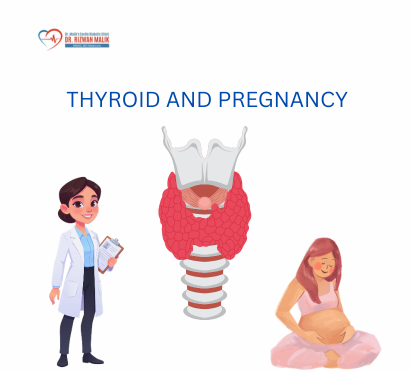
The thyroid gland plays a critical role in maintaining hormonal balance during pregnancy. It produces hormones that regulate metabolism, energy levels, and most importantly, fetal brain development. Even mild thyroid imbalance during pregnancy can affect both maternal health and the baby’s growth. Fortunately, with early detection and proper treatment, most women with thyroid disorders can have safe and healthy pregnancies. Understanding how thyroid conditions influence pregnancy helps women recognize symptoms early and seek timely medical evaluation 🤰 What Is the Thyroid Gland and Why Is It Important During Pregnancy? The thyroid gland is a small butterfly-shaped gland located in the neck. It produces two major hormones: T3 (triiodothyronine) T4 (thyroxine) These hormones regulate: metabolism heart rate body temperature energy levels fetal brain development During pregnancy, thyroid hormone requirements increase because the developing baby depends on the mother’s thyroid supply, especially during the first trimester. Common Thyroid Disorders During Pregnancy Two major thyroid conditions can affect pregnancy: Hypothyroidism This condition occurs when the thyroid gland produces too little hormone. It is more common during pregnancy than hyperthyroidism. Hyperthyroidism This condition occurs when the thyroid gland produces excessive hormones. Though less common, it can still affect pregnancy outcomes if untreated. Why Thyroid Hormones Are Critical for Baby’s Development During early pregnancy, the baby’s thyroid gland is not fully developed. The fetus depends entirely on the mother’s thyroid hormones for: brain growth nervous system development skeletal formation organ maturation Low maternal thyroid hormone levels during early pregnancy may affect neurological development if untreated. Causes of Thyroid Disorders During Pregnancy Several factors may contribute to thyroid imbalance during pregnancy. Autoimmune Thyroid Disease The most common cause is an autoimmune condition known as: Hashimoto’s thyroiditis This condition causes the immune system to attack the thyroid gland, reducing hormone production. Another autoimmune condition linked with pregnancy-related thyroid imbalance is: Graves’ disease It causes excessive thyroid hormone production. Iodine Deficiency Iodine is essential for thyroid hormone production. Low iodine intake increases risk of thyroid dysfunction during pregnancy. Adequate iodine intake supports fetal brain development. Pre-Existing Thyroid Disorders Women diagnosed with thyroid disease before pregnancy require closer monitoring throughout pregnancy. Hormone requirements often change during gestation. Symptoms of Hypothyroidism During Pregnancy Symptoms are often mild and mistaken for normal pregnancy changes. Common warning signs include: fatigue excessive weight gain dry skin constipation hair thinning depression slow heart rate cold intolerance Because symptoms overlap with normal pregnancy changes, blood testing is essential for diagnosis. Symptoms of Hyperthyroidism During Pregnancy Symptoms may include: rapid heartbeat anxiety unexplained weight loss excessive sweating tremors sleep disturbance heat intolerance Severe untreated hyperthyroidism increases pregnancy complications. Risks of Untreated Hypothyroidism During Pregnancy If untreated, hypothyroidism may increase risk of: miscarriage anemia preeclampsia low birth weight baby premature delivery impaired fetal brain development Early detection reduces these risks significantly. Risks of Untreated Hyperthyroidism During Pregnancy Untreated hyperthyroidism may cause: high blood pressure premature birth low birth weight heart complications in mother fetal thyroid dysfunction Proper treatment improves pregnancy outcomes. Importance of Thyroid Testing During Pregnancy Routine thyroid screening is recommended for women who: have previous thyroid disease have infertility history experienced miscarriage earlier have family history of thyroid disorders show symptoms of hormonal imbalance Simple blood tests help evaluate: TSH levels T3 levels T4 levels Monitoring helps ensure hormonal stability throughout pregnancy. Safe Treatment Options During Pregnancy Most thyroid disorders can be safely managed during pregnancy. Treatment of Hypothyroidism Doctors usually prescribe thyroid hormone replacement therapy. The most commonly used medication is: Levothyroxine It replaces missing thyroid hormone safely. This medication is considered safe for both mother and baby when taken under medical supervision. Regular blood monitoring ensures proper dosage adjustment. Treatment of Hyperthyroidism Treatment may involve medications that reduce hormone production. Doctors select safe doses carefully to protect fetal development. Close monitoring throughout pregnancy is essential. Role of Nutrition in Supporting Thyroid Health During Pregnancy Diet plays an important role in maintaining thyroid balance. Important nutrients include: Iodine Iodine supports thyroid hormone production. Sources include: iodized salt dairy products eggs seafood Balanced intake supports fetal brain growth. Selenium Selenium helps regulate thyroid enzyme activity. Sources include: nuts sunflower seeds whole grains Adequate intake improves thyroid function. Iron Iron deficiency can worsen thyroid imbalance. Sources include: spinach legumes dates jaggery Balanced iron intake supports maternal health. Importance of Monitoring Thyroid Levels During Each Trimester Hormone requirements change throughout pregnancy. Regular testing helps: adjust medication dosage prevent complications support fetal development maintain maternal health Monitoring is especially important during the first trimester. Post-Delivery Thyroid Changes Some women develop thyroid imbalance after childbirth. This condition is known as: Postpartum thyroiditis Symptoms may include: fatigue mood swings weight change anxiety Early evaluation supports recovery. Long-Term Outlook for Women with Thyroid Disorders During Pregnancy With proper medical care: most pregnancies progress normally complications remain preventable babies develop healthily maternal recovery improves Early diagnosis and regular monitoring are key to safe outcomes. FAQ Should all pregnant women get thyroid tests? Routine testing is recommended for women with risk factors or symptoms. Early screening helps prevent complications during pregnancy. Can thyroid medication harm the baby? When prescribed correctly, thyroid medications such as levothyroxine are safe and essential for healthy fetal development. Can thyroid problems affect breastfeeding? Most thyroid conditions can be safely managed during breastfeeding with appropriate medical supervision and monitoring.