The Role of Inhalers: Debunking Misconceptions About Asthma Treatment
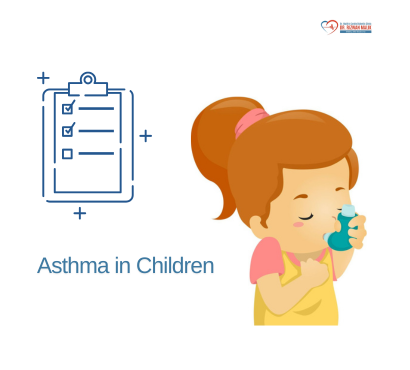
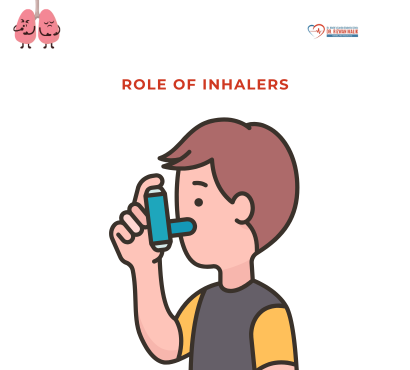
Asthma is a chronic respiratory condition that affects millions of people in India and across the world. While treatment options have evolved over time, inhalers remain one of the most effective and immediate ways to manage symptoms. However, despite their importance, there are several myths and misconceptions surrounding the use of inhalers. Some believe they’re addictive, others worry about long-term side effects, and many avoid using them due to social stigma. This blog aims to set the record straight and explain the real role of inhalers in asthma treatment. 💨 What Are Inhalers and How Do They Work? Inhalers are medical devices that deliver medication directly into the lungs. The goal is to reduce inflammation, open the airways, and improve breathing efficiency. This method of drug delivery is not only fast but also minimizes systemic side effects compared to oral medications. Key Components: Canister: Holds the medication (like Salbutamol or Budesonide). Actuator: Pressed to release a dose. Mouthpiece/Spacer: Ensures effective delivery into the lungs. 🧪 Types of Inhalers: Quick-Relief vs. Maintenance Type Purpose Common Brands in India Quick-relief (Relievers) Used during an asthma attack Asthalin Inhaler, Levolin Maintenance (Controllers) Used daily to prevent attacks Budecort, Seroflo, Foracort Combination Inhalers Contains both types Duolin, Seroflo Each type plays a distinct role. Controllers prevent attacks, while relievers manage sudden symptoms. ❌ Common Misconceptions About Inhalers “Inhalers are addictive.” Fact: Inhalers are not addictive. People often mistake regular usage for dependency, but it’s actually a necessary part of chronic disease management. “Inhalers weaken the lungs.” Fact: Inhalers reduce inflammation and open the airways, improving lung function over time. “You only need inhalers during an attack.” Fact: Daily use of controller inhalers prevents long-term damage and future attacks. “Inhalers are for weak people.” Fact: This stigma often discourages proper treatment. Inhaler use is a medically sound approach recommended by doctors globally. 🧬 Scientific Evidence Supporting Inhaler Use A 2020 study published in the Indian Journal of Respiratory Care showed that regular use of controller inhalers reduced hospitalizations by over 60%. The Global Initiative for Asthma (GINA) guidelines recommend inhalers as the first-line treatment for persistent asthma. Conclusion: Scientific backing for inhaler use is strong, and ignoring it can lead to worsening symptoms or irreversible lung damage. 🧾 When and How to Use an Inhaler Correctly Steps: Shake the inhaler. Breathe out fully. Place the mouthpiece in your mouth. Press the inhaler while taking a slow, deep breath. Hold your breath for 10 seconds. Exhale slowly. Using a Spacer: Especially useful for children or those who struggle with coordination. Tip: Rinse your mouth after using steroid-based inhalers to prevent oral thrush. ⚠️ Impact of Not Using Inhalers Properly Increased attacks: Irregular use leads to uncontrolled asthma. Hospital visits: Lack of adherence is a major cause of asthma-related hospitalizations. Decreased quality of life: Missed work/school days, sleep disturbances, and fatigue. 👶👵 Inhaler Use in Children and Elderly Children: Often require spacers and parental supervision. Pediatricians usually prescribe lower doses. Elderly: May face issues with coordination or cognitive function; breath-actuated inhalers may be better suited. Proper training and follow-up are essential in both groups. 😷 Addressing Social Stigma Around Inhalers In India, there is still a strong stigma around inhaler use in public, especially among teenagers and adults in workplaces or schools. Ways to fight this: Public awareness campaigns School education programs Celebrity endorsements Doctor-patient communication Inhalers are not just life-savers during an asthma attack; they are your long-term partners in managing respiratory health. Debunking myths and spreading awareness about their benefits can help patients lead a normal, healthy life. If you or someone you know suffers from asthma, speak to a pulmonologist about which inhaler is right for you. FAQs Are there any side effects of using an inhaler daily? Some people may experience a sore throat or hoarseness from steroid inhalers. Rinsing your mouth post-use can help. The benefits far outweigh these minor effects. Can I stop using my inhaler once I feel better? No. Asthma is a chronic condition. Discontinuing medication without medical advice can lead to flare-ups. How do I know if I’m using my inhaler correctly? Your doctor or pharmacist can demonstrate the correct technique. You can also watch verified tutorial videos or use inhalers with dose counters.