Blog

Your blog category

Blog

Can Your Diet Impact Thyroid Function? Myths and Facts

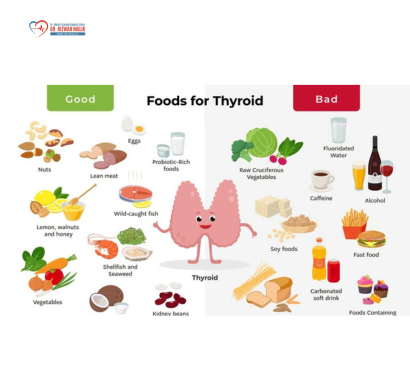
1. Thyroid & Diet: The Real Connection Thyroid hormone production is regulated by several nutrients, including iodine, selenium, zinc, vitamin D, B12, magnesium, and iron A balanced intake supports thyroid enzyme activity, hormone conversion, and nutrient absorption, but diet alone cannot cure thyroid disease  2. Key Nutrients That Fuel Thyroid Health Iodine – Building block for T3/T4 hormones. Adults need ~150 µg/day; higher during pregnancy Selenium – Aids hormone synthesis and antioxidant defence. Sourced from nuts and eggs Zinc – Essential for hormone production and uptake. Found in meat, legumes, seeds Vitamin D – Supports immune modulation and thyroid autoimmunity Vitamin B12 & Iron – Crucial for cell metabolism; deficiencies worsen fatigue Magnesium – Helps convert T4 to active T3 A thyroid-friendly diet includes iodized salt, seafood, dairy, nuts, fruits, leafy veg, fish, and fortified foods. 3. Debunking Diet & Thyroid Myths “Cut cruciferous veggies” – false. Normal intake isn’t problematic; extremely high raw consumption may affect iodine only in deficiency “Diet alone can cure hypothyroidism” – false. Medication is essential; diet supports treatment “High iodine intake is always good” – false. Both deficiency and excess can cause dysfunction “Soy or gluten always harmful” – false. Soy may impact absorption at high intakes; gluten matters only in those with intolerance 4. Diet Recommendations: What to Eat (and Why) Whole foods – Fruits, vegetables, lean proteins, whole grains for antioxidants and fiber Iodine-rich – Iodized salt, dairy, eggs, fish Selenium & Zinc – Brazil nuts, eggs, meat, seeds Omega-3 & antioxidants – Fish, walnuts, berries Probiotics/prebiotics – Yogurt, kefir, fiber to support thyroid gut axis 5. Lifestyle Habits to Support Thyroid Consistent medication timing – On empty stomach, away from calcium/iron Stress management & sleep – Improves hormone balance Regular exercise – Boosts metabolism and mood Gut health – Supports nutrient absorption; consider probiotics 6. Simple Thyroid-Supportive Diet Plan Breakfast: Oats or millet porridge + nuts + Greek yogurt Snack: Fresh fruit + sunflower or pumpkin seeds Lunch: Roti/rice, dal/fish, mixed veg (including crucifers cooked) Evening: Herbal tea (ginger/turmeric) + roasted seeds Dinner: Vegetable soup or grilled paneer/chicken with salad. Before bed: Warm milk with turmeric A nutrient-rich, balanced diet supports thyroid health—but doesn’t replace medication. Focus on iodine, selenium, zinc, vitamin D, iron, B12, and fiber, while debunking myths around cruciferous veg, high iodine, soy, or gluten. Combine with good lifestyle habits and regular medical follow-up for optimal thyroid well-being. FAQs Q1. Can too much iodine cause thyroid issues? Yes—excessive iodine can trigger or worsen thyroid disorders, especially autoimmune ones; aim for 150–250 µg daily Q2. Will cruciferous vegetables harm my thyroid? Not in typical amounts. Benefits of fiber and micronutrients outweigh minimal anti-thyroid activity, especially when cooked . Q3. Are probiotics beneficial? Yes—healthy gut microbiota aids deiodinase enzymes and micronutrient absorption, supporting thyroid function

Blog

How TB is Diagnosed and Treated in Modern Medicine

Tuberculosis (TB) remains a major health challenge in India, accounting for about 27% of global cases and close to 2.8 million new infections in 2022 The National TB Elimination Programme (NTEP), formerly known as RNTCP, aims to eradicate TB by 2025 Modern diagnostic and treatment methods—molecular tests, shorter MDR-TB regimens, patient support, and monitoring—are transforming TB care. Let’s explore how. 2. Understanding TB: Pulmonary & Extra-pulmonary TB is caused by the bacterium Mycobacterium tuberculosis Most cases (≈80%) involve the lungs—pulmonary TB—but it can affect organs like lymph nodes, bones, kidneys, and the meninges iplungclinic.com+3manipalhospitals.com+3en.wikipedia.org+3. Spread occurs when someone with active pulmonary TB expels droplets through coughing, sneezing, or speaking. Latent TB shows no symptoms, while active cases present cough (≥2 weeks), fever, night sweats, chest pain, weight loss, and fatigue 3. WHO Framework: NTEP “Detect – Treat – Prevent – Build” Under NTEP, diagnosis and treatment are structured into four pillars: Detect: Early case finding Treat: Standardized treatment access Prevent: Contact screening, preventive therapy Build: System strengthening and social support 4. Modern Diagnostic Techniques   A. Sputum-based Smear Microscopy Still widely used via designated microscopy centres (DMCs), with ≥99% sensitivity using multiple samples. B. Rapid Molecular Tests CBNAAT (GeneXpert): Detects TB + rifampicin resistance in 2 hours Truenat (Molbio): Portable, battery-operated, endorsed by WHO since 2020 Both are recommended first-line tests, especially in high-risk (HIV, children, contacts) C. Culture & Drug Sensitivity Testing (DST) Liquid culture and line-probe assays in IRLs provide drug resistance profiles. D. Imaging Chest X-rays are used for screening, guided by molecular results . E. Latent TB Detection Tests like Mantoux or IGRA are used when needed, but not for active TB diagnosis   6. Standard Treatment Regimens A. Drug-Sensitive TB (DS-TB) Intensive 2-month phase: Rifampicin, Isoniazid, Pyrazinamide, Ethambutol Continuation 4 months: Rifampicin and Isoniazid B. Drug-Resistant TB (DR-TB) New NTEP/PMDT revised regimens using Bedaquiline, Delamanid, Linezolid; injectables phased out Shorter oral regimens like BPaLM (Bedaquiline + Pretomanid + Linezolid + Moxifloxacin) available under special programs; 6-month course shows high efficacy and fewer side effects 7. Patient Support & Adherence Nikshay Poshan Yojana: ₹1,000/month financial aid for nutrition eCompliance apps / DOTS: Digital biometric systems to ensure adherence Community mobilisation: Panchayats, ASHAs, NGOs educate and track patients 8. Contact Screening & Preventive Therapy Close contacts—especially children and those with immune conditions—receive TB infection testing and preventive therapy to prevent progression 9. Urban Outreach & Public Health Initiatives Cities like Delhi and Bhopal are implementing TB-Free Slum campaigns and mass screening with chest X-rays, NAAT tests, and diabetic screening to reach marginalized groups 10. National and Global Goals NTEP is on track, with incidence down ~16% and mortality by ~18% from 2015-2022 The target: a TB-free India by 2025. Treatment of TB in India has entered a modern era—rapid molecular diagnosis, effective oral regimens, digital adherence tools, and community support—balancing quality care, accessibility, and innovation. With public awareness, timely diagnosis, and adherence to treatment, India is moving closer to the goal of eliminating TB by 2025. If you or someone you know shows symptoms like persistent cough or weight loss, consult the nearest health centre FAQs Q1. What test confirms TB infection in India? Modern molecular tests—CBNAAT or Truenat—are preferred first-line diagnostics, replacing slower sputum microscopy  Q2. How long does TB treatment last? Drug-sensitive TB: 6 months. Drug-resistant TB: newer regimens (e.g., BPaLM) shorten treatment to 6 months, compared to older 18-month regimens  Q3. Is TB treatment free in India? Yes. Under NTEP, TB diagnosis and treatment are free via public health centres. Nutritional support and patient tracking apps (Nikshay, eCompliance) enhance care .

Blog

Seasonal Viral Infections: How to Stay Protected Year-Round

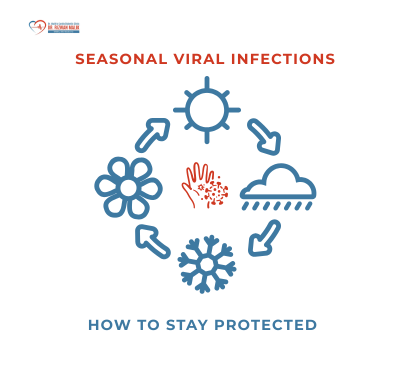
Seasonal viral infections like flu, cold, dengue, and respiratory illnesses are common, especially during weather changes. Understanding their causes, symptoms, and prevention can help you stay healthy year-round. Common Seasonal Viral Infections Influenza (Flu) – High fever, body aches, fatigue. Common Cold – Runny nose, sore throat, mild fever. Dengue – High fever, severe headache, joint pain. Swine Flu (H1N1) – Cough, fever, breathing difficulty. Respiratory Syncytial Virus (RSV) – Common in children, causes bronchitis. How Do Seasonal Viruses Spread? Airborne Transmission (Coughing, sneezing) Contaminated Surfaces (Doorknobs, phones) Mosquito Bites (Dengue, Chikungunya) Close Contact (Handshakes, hugs) Symptoms of Seasonal Viral Infections Fever & chills Cough & sore throat Fatigue & body aches Headache & nausea Prevention Tips for Seasonal Viral Infections ✔ Get Vaccinated (Flu, COVID-19 vaccines) ✔ Wash Hands Frequently (Use soap for 20 seconds) ✔ Wear Masks in Crowded Places ✔ Avoid Touching Face (Eyes, nose, mouth) ✔ Boost Immunity (Vitamin C, zinc, probiotics) ✔ Stay Hydrated (Warm fluids help fight infections) ✔ Use Mosquito Repellents (For dengue prevention) Best Immunity-Boosting Foods Citrus fruits (Oranges, lemons) Ginger & turmeric Garlic & honey Yogurt (Probiotics) Green leafy vegetables When to See a Doctor? High fever lasting more than 3 days Difficulty breathing Severe dehydration Persistent vomiting Seasonal viral infections can disrupt daily life, but with proper prevention and immunity-boosting habits, you can stay protected. Follow hygiene practices, eat healthy, and consult a doctor if symptoms worsen. FAQ 1. How can I tell if it’s a viral or bacterial infection? Viral infections often cause fever, cough, and body aches, while bacterial infections may lead to prolonged high fever and pus formation. 2. Can I get the flu even after vaccination? Yes, but symptoms will be milder. The flu vaccine reduces severity and complications. 3. What’s the best way to prevent dengue? Avoid stagnant water, use mosquito nets, and apply repellents to prevent mosquito bites.

Blog

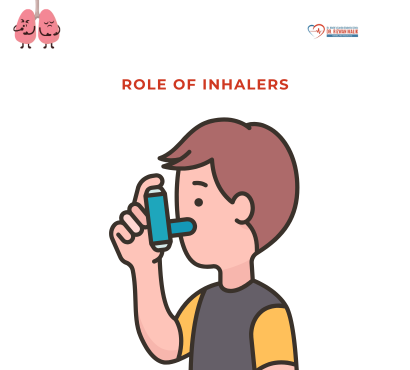
The Role of Inhalers: Debunking Misconceptions About Asthma Treatment

Asthma is a chronic respiratory condition that affects millions of people in India and across the world. While treatment options have evolved over time, inhalers remain one of the most effective and immediate ways to manage symptoms. However, despite their importance, there are several myths and misconceptions surrounding the use of inhalers. Some believe they’re addictive, others worry about long-term side effects, and many avoid using them due to social stigma. This blog aims to set the record straight and explain the real role of inhalers in asthma treatment. 💨 What Are Inhalers and How Do They Work? Inhalers are medical devices that deliver medication directly into the lungs. The goal is to reduce inflammation, open the airways, and improve breathing efficiency. This method of drug delivery is not only fast but also minimizes systemic side effects compared to oral medications. Key Components: Canister: Holds the medication (like Salbutamol or Budesonide). Actuator: Pressed to release a dose. Mouthpiece/Spacer: Ensures effective delivery into the lungs.   🧪 Types of Inhalers: Quick-Relief vs. Maintenance Type Purpose Common Brands in India Quick-relief (Relievers) Used during an asthma attack Asthalin Inhaler, Levolin Maintenance (Controllers) Used daily to prevent attacks Budecort, Seroflo, Foracort Combination Inhalers Contains both types Duolin, Seroflo Each type plays a distinct role. Controllers prevent attacks, while relievers manage sudden symptoms. ❌ Common Misconceptions About Inhalers “Inhalers are addictive.” Fact: Inhalers are not addictive. People often mistake regular usage for dependency, but it’s actually a necessary part of chronic disease management. “Inhalers weaken the lungs.” Fact: Inhalers reduce inflammation and open the airways, improving lung function over time. “You only need inhalers during an attack.” Fact: Daily use of controller inhalers prevents long-term damage and future attacks. “Inhalers are for weak people.” Fact: This stigma often discourages proper treatment. Inhaler use is a medically sound approach recommended by doctors globally. 🧬 Scientific Evidence Supporting Inhaler Use A 2020 study published in the Indian Journal of Respiratory Care showed that regular use of controller inhalers reduced hospitalizations by over 60%. The Global Initiative for Asthma (GINA) guidelines recommend inhalers as the first-line treatment for persistent asthma. Conclusion: Scientific backing for inhaler use is strong, and ignoring it can lead to worsening symptoms or irreversible lung damage. 🧾 When and How to Use an Inhaler Correctly Steps: Shake the inhaler. Breathe out fully. Place the mouthpiece in your mouth. Press the inhaler while taking a slow, deep breath. Hold your breath for 10 seconds. Exhale slowly. Using a Spacer: Especially useful for children or those who struggle with coordination. Tip: Rinse your mouth after using steroid-based inhalers to prevent oral thrush. ⚠️ Impact of Not Using Inhalers Properly Increased attacks: Irregular use leads to uncontrolled asthma. Hospital visits: Lack of adherence is a major cause of asthma-related hospitalizations. Decreased quality of life: Missed work/school days, sleep disturbances, and fatigue. 👶👵 Inhaler Use in Children and Elderly Children: Often require spacers and parental supervision. Pediatricians usually prescribe lower doses. Elderly: May face issues with coordination or cognitive function; breath-actuated inhalers may be better suited. Proper training and follow-up are essential in both groups. 😷 Addressing Social Stigma Around Inhalers In India, there is still a strong stigma around inhaler use in public, especially among teenagers and adults in workplaces or schools. Ways to fight this: Public awareness campaigns School education programs Celebrity endorsements Doctor-patient communication Inhalers are not just life-savers during an asthma attack; they are your long-term partners in managing respiratory health. Debunking myths and spreading awareness about their benefits can help patients lead a normal, healthy life. If you or someone you know suffers from asthma, speak to a pulmonologist about which inhaler is right for you. FAQs Are there any side effects of using an inhaler daily? Some people may experience a sore throat or hoarseness from steroid inhalers. Rinsing your mouth post-use can help. The benefits far outweigh these minor effects. Can I stop using my inhaler once I feel better? No. Asthma is a chronic condition. Discontinuing medication without medical advice can lead to flare-ups. How do I know if I’m using my inhaler correctly? Your doctor or pharmacist can demonstrate the correct technique. You can also watch verified tutorial videos or use inhalers with dose counters.

Blog

Hyperthyroidism vs. Hypothyroidism: What’s the Difference?

The thyroid gland, a small butterfly-shaped organ located at the base of the neck, plays a crucial role in regulating the body’s metabolism through the production of thyroid hormones. When the thyroid produces too much or too little of these hormones, it leads to conditions known as hyperthyroidism and hypothyroidism, respectively. Understanding the differences between these two conditions is essential for effective diagnosis and treatment. What Is Hyperthyroidism? Hyperthyroidism occurs when the thyroid gland becomes overactive, producing excessive amounts of thyroid hormones. This accelerates the body’s metabolism, leading to various symptoms and health issues. Causes of Hyperthyroidism Graves’ Disease: An autoimmune disorder that stimulates the thyroid to produce too much hormone. Thyroid Nodules: Lumps in the thyroid that can become overactive. Thyroiditis: Inflammation of the thyroid gland, which can cause hormone leakage. Excessive Iodine Intake: High levels of iodine can lead to overproduction of thyroid hormones. Symptoms of Hyperthyroidism Rapid heartbeat or palpitations Unexplained weight loss Nervousness or irritability Tremors in the hands Increased sweating Heat intolerance Frequent bowel movements Fatigue or muscle weakness Difficulty sleeping Diagnosis of Hyperthyroidism Blood Tests: Measuring levels of thyroid-stimulating hormone (TSH), T3, and T4. Radioactive Iodine Uptake Test: Determines how much iodine the thyroid absorbs. Thyroid Scan: Visualizes the structure and activity of the thyroid gland. Treatment Options for Hyperthyroidism Antithyroid Medications: Such as methimazole or propylthiouracil to reduce hormone production. Radioactive Iodine Therapy: Destroys overactive thyroid cells. Beta-Blockers: Manage symptoms like rapid heart rate. Surgery: Removal of the thyroid gland in severe cases. What Is Hypothyroidism? Hypothyroidism is characterized by an underactive thyroid gland that doesn’t produce enough thyroid hormones, leading to a slowdown in the body’s metabolic processes. Causes of Hypothyroidism Hashimoto’s Thyroiditis: An autoimmune condition where the immune system attacks the thyroid. Thyroid Surgery: Removal of the thyroid gland can lead to hormone deficiency. Radiation Therapy: Treatment for cancers can damage the thyroid. Iodine Deficiency: Essential for thyroid hormone production. Symptoms of Hypothyroidism Fatigue or sluggishness Weight gain Cold intolerance Constipation Dry skin Depression Slow heart rate Memory problems Hoarseness Puffy face Diagnosis of Hypothyroidism Blood Tests: Checking levels of TSH and free T4. Thyroid Antibody Tests: Detect autoimmune thyroid conditions. Treatment Options for Hypothyroidism Thyroid Hormone Replacement Therapy: Daily use of synthetic thyroid hormone levothyroxine. Regular Monitoring: Adjusting medication dosage based on periodic blood tests. Comparing Hyperthyroidism and Hypothyroidism Feature Hyperthyroidism Hypothyroidism Hormone Levels Excessive thyroid hormones Deficient thyroid hormones Metabolic Rate Increased Decreased Common Symptoms Weight loss, anxiety, heat intolerance Weight gain, fatigue, cold intolerance Heart Rate Rapid or irregular Slow Bowel Movements Frequent Constipation Treatment Approach Reduce hormone production Hormone replacement Understanding the differences between hyperthyroidism and hypothyroidism is crucial for early detection and effective management. If you experience symptoms related to thyroid dysfunction, consult a healthcare professional for appropriate testing and treatment. With proper care, individuals with thyroid disorders can lead healthy, balanced lives. FAQs Q1: Can stress cause thyroid disorders? While stress doesn’t directly cause thyroid disorders, it can exacerbate symptoms and affect overall thyroid function. Q2: Are thyroid disorders hereditary? Yes, both hyperthyroidism and hypothyroidism can run in families, especially autoimmune-related types. Q3: Can diet affect thyroid health? A balanced diet with adequate iodine is essential for thyroid health. However, excessive iodine intake can lead to hyperthyroidism.

Blog

White Coat Hypertension: What It Is and How to Manage It

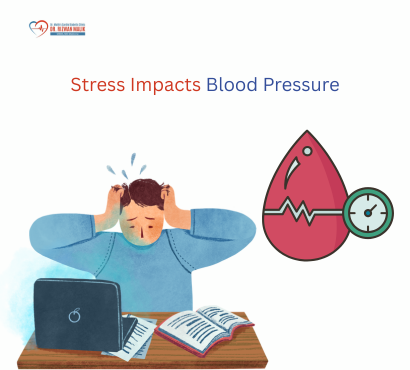
Imagine this: You walk into your doctor’s office feeling perfectly fine. But when they measure your blood pressure, it’s unexpectedly high. You’re confused because it’s normal when checked at home. This phenomenon is called White Coat Hypertension. White coat hypertension is more common than you might think. It occurs when blood pressure readings are higher in a medical setting but normal elsewhere. Although it might seem harmless, untreated white coat hypertension can potentially lead to real hypertension over time. In this article, let’s dive into the causes, risks, and strategies for managing white coat hypertension effectively. What Is White Coat Hypertension? White coat hypertension refers to elevated blood pressure that occurs in a clinical environment but returns to normal in other settings. The “white coat” symbolizes the traditional white lab coats worn by doctors, which can unintentionally trigger anxiety and stress in patients. Causes of White Coat Hypertension 1. Anxiety and Stress The anxiety of visiting a healthcare provider can cause temporary spikes in blood pressure. Some people subconsciously worry about health issues, leading to stress-induced hypertension. 2. Fear of Diagnosis The fear of being diagnosed with a health problem can heighten the body’s fight-or-flight response, leading to increased heart rate and blood pressure. 3. Lack of Familiarity Unfamiliar settings, procedures, or even clinical smells can make some people uneasy, triggering physiological stress responses. 4. Existing Mild Hypertension People on the borderline of hypertension might experience exaggerated spikes when stressed, worsening the condition temporarily. Symptoms There are no specific symptoms that distinguish white coat hypertension from regular hypertension. It is often discovered accidentally during routine checks. Risks Associated with White Coat Hypertension While it might seem harmless initially, long-term white coat hypertension can: Progress into sustained hypertension Increase the risk of cardiovascular diseases Damage arteries and other organs Cause anxiety disorders related to health Early detection and monitoring are key. How White Coat Hypertension Happens Anxiety/Stress → Sympathetic Nervous System Activation → Increased Heart Rate → Blood Vessel Constriction → Elevated Blood Pressure   How to Diagnose White Coat Hypertension Home Monitoring: Regularly measuring your blood pressure at home at different times. Ambulatory Blood Pressure Monitoring (ABPM): Wearing a device that measures your BP every 30 minutes over 24 hours. Multiple Clinical Visits: Comparing readings from multiple doctor visits. Management and Treatment 1. Regular Monitoring Track your blood pressure at home to differentiate between genuine hypertension and white coat effects. 2. Stress Reduction Techniques Deep breathing exercises Meditation Yoga Progressive muscle relaxation 3. Lifestyle Modifications Healthy Diet: Reduce salt, processed foods, and increase fruits and vegetables. Exercise Regularly: At least 30 minutes most days of the week. Limit Alcohol and Quit Smoking: Both habits are linked to blood pressure spikes. 4. Counseling or Therapy If anxiety is a major contributor, cognitive-behavioral therapy (CBT) or counseling can help address underlying fears and stress. 5. Medication (If Necessary) If your home readings also show elevated pressure or if white coat hypertension progresses to sustained hypertension, your doctor may prescribe antihypertensive medication. Prevention Tips Arrive early for your appointment to relax. Practice deep breathing while waiting. Avoid caffeine or heavy meals before your visit. Inform your doctor if you usually have higher readings in the clinic.   White coat hypertension is a real and important condition to recognize. Although it may seem harmless, it requires careful monitoring and management to prevent progression into chronic hypertension. By staying proactive with home checks, stress management, and lifestyle changes, you can protect your long-term heart health. If you suspect white coat hypertension, talk openly with your healthcare provider—they can guide you toward the best strategy for maintaining healthy blood pressure. FAQs Q1: Is white coat hypertension dangerous? While not immediately dangerous, untreated white coat hypertension can lead to real hypertension and related complications over time. Q2: Can white coat hypertension be cured? There’s no “cure,” but managing stress and regular monitoring can help prevent progression. Q3: Should I take medication for white coat hypertension? Typically, medication is only prescribed if blood pressure remains consistently high outside clinical settings as well.

Blog

Asthma in Children: Symptoms, Triggers & Prevention Guide for Pune Parents

Asthma is one of the most common chronic respiratory diseases affecting children worldwide. In India, pediatric asthma cases are rising due to increasing pollution levels, urbanization, changing lifestyles, and genetic predispositions. Childhood asthma can be managed effectively with early diagnosis, education, and appropriate treatment. This blog aims to provide an in-depth look into the symptoms, causes, triggers, and preventive strategies for asthma in children. What is Childhood Asthma? Childhood asthma is a condition in which a child’s airways become inflamed and narrowed, making it difficult to breathe. The inflammation leads to wheezing, coughing, and chest tightness. Unlike adult asthma, symptoms in children may appear subtly and may be mistaken for frequent colds or allergies. 🧠 Did You Know? In India, around 10-15% of children suffer from asthma or asthma-like symptoms, with urban areas showing higher prevalence. Common Symptoms of Asthma in Children Asthma symptoms may vary in frequency and severity depending on the child. Common signs include: Wheezing: A high-pitched whistling sound while exhaling.  Chronic Cough: Especially at night or early morning.  Shortness of Breath: Noticeable during physical activity or laughing.  Chest Tightness or Pain  Fatigue: Due to interrupted sleep and difficulty in breathing.  Rapid Breathing  Frequent Respiratory Infections  Retractions: Skin around ribs pulling in during breathing.  📌 Note: Young children may not always verbalize their discomfort, so observation is key. Asthma Triggers in Children Understanding what triggers asthma symptoms in your child is vital for effective management. 1. Environmental Allergens Dust mites  Pollen  Mold  Pet dander  Cockroach droppings  2. Air Pollution Smoke from traffic, factories, or burning garbage  Cigarette smoke (secondhand smoke)  3. Weather Changes Cold air  High humidity  Sudden temperature shifts  4. Infections Respiratory infections like colds or flu  5. Exercise-Induced Asthma Physical activity, especially in cold weather  6. Emotional Stress Crying, laughing, or stress can cause flare-ups  7. Food Allergies Milk, nuts, eggs, or food preservatives in rare cases  Causes and Risk Factors Although the exact cause is unknown, several factors contribute to childhood asthma: Genetics: Family history of asthma, allergies, or eczema.  Allergies: Children with allergic rhinitis or skin allergies are more prone.  Premature Birth: Underdeveloped lungs can contribute.  Exposure to Smoke: Both prenatal (during pregnancy) and postnatal.  Pollution: Urban children exposed to polluted air are at greater risk.  Diagnosis of Asthma in Children Diagnosing asthma in children can be challenging, especially under age 5. Doctors may use: Medical History: Family history, symptoms frequency.  Physical Exam  Lung Function Tests: Spirometry (usually for children over 5 years)  Allergy Testing: To identify specific allergens  Peak Flow Monitoring: Measures airflow during exhalation  🩺 Tip: Keep a symptom diary for your child to help doctors with a more accurate diagnosis. Treatment Options for Childhood Asthma Asthma can’t be cured, but it can be well-managed. The goal is to reduce symptoms and prevent flare-ups. 1. Medications Quick-Relief Medications (Rescue Inhalers):  Short-acting beta agonists (e.g., Salbutamol)  Used during attacks to open airways  Long-Term Control Medications:  Inhaled corticosteroids (e.g., Budesonide)  Leukotriene modifiers (e.g., Montelukast)  Combination Inhalers  Contain both corticosteroids and bronchodilators  💡 Note: Always use a spacer with inhalers for children to ensure proper delivery. 2. Allergen Avoidance Keep homes dust-free  Use air purifiers  Wash bedding regularly in hot water  Avoid exposure to pets if allergic  3. Immunotherapy Allergy shots may be recommended in older children  Preventive Tips for Managing Childhood Asthma Managing asthma in children requires a holistic approach: ✅ Create an Asthma Action Plan Developed with a doctor  Details about medications, triggers, emergency protocols  ✅ Identify and Avoid Triggers Monitor seasonal or food-related reactions  ✅ Regular Medical Checkups Adjust treatment plans as the child grows  ✅ Vaccinations Flu shots and COVID vaccines are important to prevent respiratory infections  ✅ Healthy Lifestyle Encourage physical activity (with supervision)  Nutritious, anti-inflammatory diet (fruits, omega-3-rich foods)  ✅ Teach Inhaler Use Empower children to use inhalers properly and recognize symptoms  Diet and Nutrition Tips Some foods may help reduce inflammation and improve immunity: Antioxidants: Berries, carrots, spinach  Vitamin C & E: Boost immune system  Omega-3 Fatty Acids: Fish, flax seeds  Avoid Processed Foods: That may contain additives or preservatives  🍽️ Fun Idea: Make colorful smoothies with your child for a healthy, anti-inflammatory treat. Emotional and School Support Inform teachers and caregivers about your child’s asthma  Allow them to carry inhalers if permitted  Create a stress-free environment at home  👨‍🏫 Pro Tip: Many schools now have asthma awareness programs—participate and educate! When to Call a Doctor or Seek Emergency Help Difficulty breathing even after using inhaler  Lips or face turning blue  Severe coughing or chest pain  Drowsiness or confusion  Always keep your doctor’s contact and nearest hospital information handy. Asthma in children is manageable with the right care, understanding, and support. Early detection, proper medication, and lifestyle changes can help your child live a healthy and active life. As a parent or caregiver, your awareness and involvement are key to helping your child breathe easy every day. Diagram: How Asthma Affects the Airways   Here’s a helpful diagram you can use in your blog or post (let me know if you’d like it in infographic format): Normal Airway       →       Asthmatic Airway (Inflamed)        →        Asthmatic Attack (Severely Constricted)    O                  →                 O                         →                 o Clear and wide            Swollen and narrowed                  Very tight airway FAQs 1. Can a child outgrow asthma? Some children may see fewer symptoms as they grow older, but asthma may not completely go away. Regular follow-ups with a pediatrician are essential. 2. Is asthma in children caused by poor parenting or weakness? No, asthma is a medical condition influenced by genetics and environmental factors. It is not caused by parenting style or weakness. 3. Can physical activity worsen asthma in kids? Exercise can trigger

Blog

The Role of Exercise in Diabetes Management: What Works Best?

Diabetes is a chronic metabolic disorder that affects millions of people worldwide. In India, diabetes has become a major health concern, with an increasing number of individuals diagnosed every year. While medication and diet play crucial roles in managing diabetes, exercise is equally important. Regular physical activity helps regulate blood sugar levels, improves insulin sensitivity, reduces complications, and enhances overall well-being. But what type of exercise works best for diabetes management? In this article, we will explore: ✔️ The benefits of exercise for diabetes ✔️ The best types of workouts for diabetes control ✔️ How to start an exercise routine safely ✔️ Tips for maximizing the benefits of physical activity ✔️ Common FAQs about diabetes and exercise How Does Exercise Help in Diabetes Management? Exercise has a direct impact on blood glucose levels and overall health. Here’s how: 1. Improves Insulin Sensitivity Regular exercise increases the body’s sensitivity to insulin, helping cells absorb glucose more efficiently and lowering blood sugar levels. 2. Lowers Blood Sugar Levels During exercise, muscles use glucose for energy, reducing the amount of sugar circulating in the bloodstream. This effect can last up to 24-48 hours post-workout. 3. Aids in Weight Management Excess body weight, particularly abdominal fat, is linked to insulin resistance. Losing weight through exercise can help manage diabetes more effectively. 4. Reduces the Risk of Heart Disease People with diabetes are at a higher risk of cardiovascular diseases. Exercise improves heart health, lowers blood pressure, and reduces cholesterol levels. 5. Enhances Mood and Mental Well-being Physical activity reduces stress, anxiety, and depression, which are common in individuals with diabetes. 6. Improves Blood Circulation Diabetes can lead to poor circulation, increasing the risk of complications like diabetic neuropathy. Exercise promotes better blood flow and reduces complications. Best Types of Exercise for Diabetes Management Different types of exercises offer unique benefits for diabetes control. A combination of aerobic exercises, resistance training, and flexibility exercises is ideal. 1. Aerobic Exercises (Cardio Workouts) Aerobic exercises help improve heart health, burn calories, and lower blood sugar levels. 🔹 Best Options: ✔️ Brisk walking (30 minutes daily) ✔️ Jogging or running ✔️ Cycling ✔️ Swimming ✔️ Dancing ✔️ Jump rope 👉 Recommended Frequency: At least 150 minutes per week (30 minutes, 5 times a week) 2. Strength Training (Resistance Exercises) Strength training builds muscle mass, which enhances glucose metabolism and insulin sensitivity. 🔹 Best Options: ✔️ Bodyweight exercises (squats, lunges, push-ups) ✔️ Resistance bands ✔️ Dumbbells or weight lifting ✔️ Yoga-based strength training 👉 Recommended Frequency: 2-3 days per week 3. Flexibility and Balance Exercises These exercises help improve mobility, prevent falls, and reduce stiffness. They are particularly beneficial for older adults with diabetes. 🔹 Best Options: ✔️ Yoga ✔️ Tai Chi ✔️ Stretching exercises 👉 Recommended Frequency: Daily (10-15 minutes per session) How to Start an Exercise Routine Safely If you have diabetes and are new to exercise, follow these safety tips: ✅ Consult Your Doctor: Always check with your doctor before starting a new workout routine. ✅ Monitor Blood Sugar Levels: Check your blood glucose before and after exercising to avoid hypoglycemia (low blood sugar). ✅ Start Slow and Progress Gradually: If you’re a beginner, start with light activities (e.g., walking) and gradually increase intensity. ✅ Stay Hydrated: Dehydration can affect blood sugar levels, so drink enough water before and after exercise. ✅ Carry a Snack: If you feel dizzy or weak, eat a small carbohydrate-rich snack (fruit, nuts, or glucose tablets). ✅ Wear Proper Footwear: Diabetes can cause foot complications, so use comfortable, well-fitting shoes to prevent injuries. ✅ Be Consistent: Regular exercise is key—stick to a routine for long-term diabetes control. Lifestyle Tips for Maximizing the Benefits of Exercise 🟢 Eat a Balanced Diet: Combine exercise with a healthy diet rich in fiber, protein, and healthy fats. 🟢 Manage Stress: Chronic stress can raise blood sugar levels—practice meditation, deep breathing, or yoga. 🟢 Get Enough Sleep: Poor sleep can affect insulin resistance—aim for 7-9 hours per night. 🟢 Avoid Smoking and Excessive Alcohol: These habits can worsen diabetes complications. Exercise is a powerful tool in diabetes management, helping to regulate blood sugar, improve insulin sensitivity, and enhance overall health. A combination of aerobic exercise, strength training, and flexibility workouts offers the best results. However, it is important to start slowly, monitor blood sugar levels, and follow a well-balanced lifestyle for long-term benefits. With consistent effort and proper guidance, diabetes can be effectively managed, improving quality of life and reducing complications. If you have diabetes, consult your doctor and start moving today for a healthier future! FAQ 1. Can exercise replace diabetes medication? No. Exercise helps manage diabetes effectively, but it cannot completely replace medication or insulin for everyone. Consult your doctor before making any changes. 2. When is the best time to exercise for diabetes management? The best time varies from person to person. However, exercising 1-2 hours after meals can help prevent post-meal blood sugar spikes. 3. What should diabetics eat before and after exercise? Before exercise: Eat a small snack with protein and complex carbs (banana with peanut butter, whole-grain toast). After exercise: Consume a balanced meal with protein, fiber, and healthy fats (grilled chicken with vegetables).

Blog

Early Symptoms of Prediabetes and How to Reverse Them

Prediabetes is a warning sign that your blood sugar levels are higher than normal but not yet high enough to be classified as type 2 diabetes. This condition affects millions of people worldwide, including a large population in India. The good news? Prediabetes is reversible with timely intervention, lifestyle changes, and proper management. If left unchecked, it can progress to full-blown diabetes, leading to severe complications such as heart disease, kidney failure, nerve damage, and vision problems. In this blog, we’ll explore: ✔ Early symptoms of prediabetes ✔ Risk factors and causes ✔ How to reverse prediabetes naturally ✔ Best dietary and lifestyle changes ✔ Frequently asked questions (FAQs) What is Prediabetes? Prediabetes means your blood sugar levels are elevated but not high enough for a diabetes diagnosis. It is a critical stage where early detection and intervention can prevent type 2 diabetes altogether. 💡 Prediabetes Blood Sugar Levels: 📌 Normal: Fasting blood sugar <100 mg/dL 📌 Prediabetes: Fasting blood sugar 100–125 mg/dL 📌 Diabetes: Fasting blood sugar ≥126 mg/dL Early Symptoms of Prediabetes Prediabetes often does not show obvious symptoms, which is why it is frequently undiagnosed. However, some warning signs can indicate insulin resistance and high blood sugar levels. 1. Increased Thirst & Frequent Urination High blood sugar draws water from tissues, causing dehydration and increased thirst. This leads to frequent urination, especially at night. 2. Unexplained Fatigue High blood sugar prevents glucose from entering cells, leading to energy depletion. You may feel constantly tired or sluggish even after resting. 3. Increased Hunger (Polyphagia) Cells struggle to absorb glucose properly, leading to constant hunger. This often results in overeating and weight gain. 4. Blurry Vision Fluctuating blood sugar levels affect fluid balance in the eyes, causing temporary blurry vision. 5. Dark Patches on the Skin (Acanthosis Nigricans) Velvety, dark patches appear on the neck, armpits, elbows, and knuckles. This is a sign of insulin resistance and is common in prediabetes. 6. Slow Wound Healing High blood sugar affects circulation, leading to delayed healing of cuts and wounds. 7. Tingling or Numbness in Hands and Feet Prediabetes can cause nerve damage (neuropathy), leading to tingling, burning, or numbness. 💡 Key Takeaway: If you experience any of these symptoms, get your blood sugar tested immediately. Risk Factors and Causes of Prediabetes Several factors contribute to prediabetes and insulin resistance. 1. Unhealthy Diet Excess consumption of sugar, processed foods, and refined carbohydrates leads to insulin resistance. Low fiber intake worsens blood sugar control. 2. Sedentary Lifestyle Lack of physical activity reduces insulin sensitivity. Sitting for long hours increases visceral fat, a major risk factor for diabetes. 3. Obesity (Especially Belly Fat) Abdominal fat releases inflammatory substances that reduce insulin effectiveness. A waist circumference >90 cm (men) and >80 cm (women) increases the risk of prediabetes. 4. Genetics & Family History Having a parent or sibling with diabetes increases the likelihood of developing prediabetes. 5. Hormonal Disorders Conditions like PCOS (Polycystic Ovary Syndrome), Hypothyroidism, and Cushing’s syndrome contribute to insulin resistance. 6. Sleep Deprivation & Stress Chronic stress and poor sleep patterns increase cortisol levels, leading to blood sugar imbalances. How to Reverse Prediabetes Naturally Reversing prediabetes is completely possible with lifestyle modifications. 1. Eat a Low-Glycemic, Fiber-Rich Diet ✔ Increase whole grains, legumes, vegetables, and nuts. ✔ Avoid white rice, white bread, processed snacks, and sugary drinks. ✔ Include healthy fats like olive oil, flaxseeds, and avocados. ✔ Consume lean proteins (chicken, fish, paneer, tofu, eggs) for muscle health. 2. Exercise Regularly ✔ 30–45 minutes of moderate exercise daily (walking, jogging, swimming, cycling). ✔ Strength training (2–3 times a week) improves muscle insulin sensitivity. ✔ Avoid sitting for long hours—stand up and stretch every 30 minutes. 3. Maintain a Healthy Weight ✔ Losing 5–10% of body weight significantly lowers diabetes risk. ✔ Reduce visceral fat (belly fat) through exercise and portion control. 4. Manage Stress & Improve Sleep ✔ 7–9 hours of quality sleep improves insulin sensitivity. ✔ Meditation, yoga, and deep breathing exercises help reduce cortisol levels. 5. Stay Hydrated ✔ Drink 2–3 liters of water daily to flush out excess glucose. ✔ Replace sugary sodas with herbal teas and infused water. 6. Monitor Your Blood Sugar Levels ✔ Regular fasting blood sugar and HbA1c tests track progress. ✔ Home glucose monitors help keep blood sugar in check. 💡 Consistency is key! Following these steps for 3–6 months can reverse prediabetes naturally. Prediabetes is a wake-up call that should not be ignored. Early detection and lifestyle changes can prevent type 2 diabetes and improve overall health. ✔ Be aware of early symptoms like fatigue, excessive thirst, blurred vision, and increased hunger. ✔ Adopt a healthy diet, exercise regularly, manage stress, and track your progress. ✔ Take action today! Small steps now can make a huge difference in the long run. If you suspect you have prediabetes, consult a doctor or endocrinologist for proper diagnosis and guidance. FAQ 1. Can prediabetes be completely reversed? 👉 Yes, with the right diet, exercise, and lifestyle changes, prediabetes can be reversed within a few months. However, regular monitoring is essential to prevent recurrence. 2. What are the best foods to reverse prediabetes? 👉 Leafy greens, berries, nuts, whole grains, lean proteins, and healthy fats help regulate blood sugar levels. Avoid processed foods, excess sugar, and white flour products. 3. How long does it take to reverse prediabetes? 👉 On average, 3–6 months of consistent lifestyle changes can significantly improve blood sugar levels. However, individual results may vary based on age, metabolism, and adherence to healthy habits.

Blog

Why High Blood Pressure is Called the Silent Killer: Risks, Symptoms, and Prevention

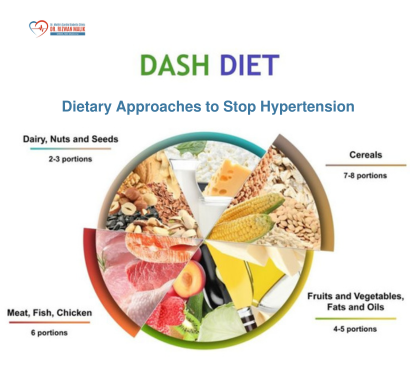
High blood pressure, or hypertension, is a common yet dangerous health condition that affects millions of people worldwide. Often referred to as the “silent killer,” it earns this ominous title because it typically shows no obvious symptoms while silently damaging your body. In India, where lifestyle diseases are on the rise, high blood pressure has become a significant public health concern. This blog post delves into why hypertension is called the silent killer, its risks, and how you can prevent or manage it effectively.    What is High Blood Pressure?   Blood pressure is the force exerted by circulating blood against the walls of the body’s arteries, the major blood vessels in the body. High blood pressure occurs when this force is consistently too high. It is measured in millimeters of mercury (mmHg) and recorded as two numbers: systolic pressure (the pressure when your heart beats) over diastolic pressure (the pressure when your heart rests between beats). A normal blood pressure reading is around 120/80 mmHg. Hypertension is typically diagnosed when readings consistently exceed 130/80 mmHg.    Why is it Called the Silent Killer?   High blood pressure is often asymptomatic, meaning it doesn’t show noticeable symptoms until it has caused significant damage to your body. This lack of warning signs is why it’s called the “silent killer.” Many people live with hypertension for years without realizing it, only to discover the condition when they experience a severe health crisis like a heart attack, stroke, or kidney failure.   In India, where healthcare access and awareness can be limited, this silent nature of hypertension makes it even more dangerous. According to recent studies, nearly one in three Indian adults suffers from high blood pressure, and many are unaware of their condition.      The Dangers of Untreated High Blood Pressure   If left untreated, high blood pressure can lead to a host of serious health complications, including:   Heart Disease and Heart Attacks:      Hypertension forces your heart to work harder to pump blood, leading to thickened heart muscles, reduced efficiency, and eventually heart failure. It also contributes to the buildup of plaque in arteries, increasing the risk of heart attacks.   Stroke:      High blood pressure can damage and weaken the blood vessels in your brain, causing them to narrow, rupture, or leak. This can lead to a stroke, which can be life-threatening or cause permanent disability.   Kidney Damage:      The kidneys filter excess fluid and waste from your blood. High blood pressure can damage the blood vessels in the kidneys, impairing their function and potentially leading to kidney failure.   Vision Loss:    Hypertension can damage the blood vessels in the eyes, leading to conditions like hypertensive retinopathy, which can cause vision loss or blindness.   Cognitive Decline:    Studies have shown that high blood pressure is linked to an increased risk of dementia and cognitive decline in older adults.      Causes and Risk Factors of High Blood Pressure   While the exact cause of hypertension is often unknown, several factors can contribute to its development:   Unhealthy Diet:    A diet high in salt, saturated fats, and processed foods can increase blood pressure. In India, the widespread consumption of salty snacks, pickles, and fried foods contributes to the problem.   Lack of Physical Activity:    Sedentary lifestyles are a significant risk factor for hypertension. Regular exercise helps maintain healthy blood pressure levels.   Obesity:   Excess weight puts additional strain on the heart and blood vessels, increasing the risk of high blood pressure.   Stress:    Chronic stress can temporarily raise blood pressure, and over time, it may contribute to long-term hypertension.   Genetics:    A family history of high blood pressure can increase your risk of developing the condition.   Age and Gender:    The risk of hypertension increases with age. Men are more likely to develop high blood pressure before the age of 55, while women are at higher risk after menopause.   Lifestyle Habits:    Smoking, excessive alcohol consumption, and poor sleep habits can all contribute to high blood pressure.      Prevention and Management of High Blood Pressure   The good news is that high blood pressure is preventable and manageable. Here are some steps you can take to keep your blood pressure in check:   Adopt a Healthy Diet:      Focus on a diet rich in fruits, vegetables, whole grains, and lean proteins. Reduce your intake of salt, sugar, and unhealthy fats. The DASH (Dietary Approaches to Stop Hypertension) diet is particularly effective for managing blood pressure.   Exercise Regularly:      Aim for at least 30 minutes of moderate-intensity exercise, such as brisk walking, cycling, or swimming, most days of the week.   Maintain a Healthy Weight:      Losing even a small amount of weight can significantly lower your blood pressure.   Limit Alcohol and Quit Smoking:    Reducing alcohol consumption and quitting smoking can improve your overall cardiovascular health.   Manage Stress:      Practice relaxation techniques like yoga, meditation, or deep breathing exercises to reduce stress levels.   Monitor Your Blood Pressure:      Regular check-ups are essential, especially if you have risk factors for hypertension. Home blood pressure monitors can help you keep track of your readings.   Take Medications as Prescribed: If lifestyle changes aren’t enough, your doctor may prescribe medications to help control your blood pressure. It’s important to take these as directed and not to stop without consulting your healthcare provider.     High Blood Pressure in India: A Growing Concern   In India, the prevalence of high blood pressure is rising rapidly due to urbanization, changing dietary habits, and sedentary lifestyles. According to the Indian Council of Medical Research (ICMR), hypertension is a leading cause of cardiovascular diseases in the country. Lack of awareness, late diagnosis, and poor adherence to treatment further exacerbate the problem.   Public health initiatives aimed at increasing awareness, promoting healthy lifestyles, and improving access to healthcare are crucial to addressing this growing epidemic. High blood pressure is a silent but deadly condition that can lead to severe health complications if left untreated. Its asymptomatic nature makes regular check-ups and a healthy lifestyle essential for prevention and management. By understanding the risks and taking proactive steps, you can protect yourself from the dangers of hypertension and lead a healthier,

Scroll to Top